

INDIA, September 10, 2025: World EV Day has left a bright afterglow, reflecting the promise it brought. EV India, led by its Miners, is going beyond laying the EV foundation to driving India’s electric transformation, focusing on everything from metals to MegaChargers, batteries to buses, and relevant policies to people.
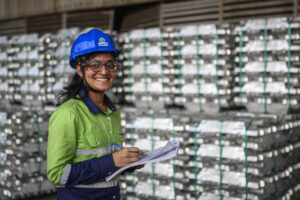 Vedanta Limited has accelerated this effort with a significant ₹ 12,500 crore investment in essential metals, including aluminium, zinc, nickel, copper, and ferrochrome, for electric vehicles (EVs). The company’s Restora and Restora Ultra alloys are currently undergoing testing for crash resistance and battery compatibility.
The Makers: Material Moves
S. Senthil Kumar, Vice President of Central Purchase at TVS Motor Company, stated, “Excellence in our automotive offerings comes from top-class aluminium, which is vital for performance and sustainability. The integrity of raw materials is the foundation of efficiency and innovation.” Zinc is also emerging as a crucial material.
Abhinandan Singh, Senior Area Procurement Manager – Metals at Tata Steel, emphasised its importance: “Zinc is rapidly becoming indispensable in the automotive sector, especially as EV production accelerates. Its applications, ranging from galvanised steel to die-casting alloys, are pivotal for vehicle components.”
In addition, Anurag Choudhary, CMD & CEO of Himadri Speciality Chemical Ltd., highlighted India’s advancements in battery materials: 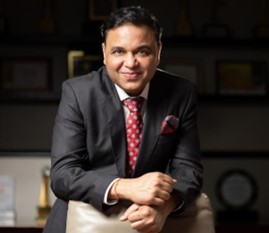 “As a pioneer in lithium-ion battery components, particularly LFP cathode active materials and silicon carbon anode technology, Himadri is supplying the essential components that power this EV revolution
The Movers: Powering the Next Frontier
India’s battery sector is thriving. Vikram Handa, MD of Epsilon Advanced Materials, asserted, “India is now firmly on the path to becoming the world’s third-largest EV market. Our role involves manufacturing critical battery materials and building resilient supply chains for steady battery production.”
Gaurav Dolwani from LICO Materials underscored the importance of developing a comprehensive ecosystem: “India is the third-largest car market globally. It is crucial to build an end-to-end ecosystem that includes charging, recycling, and consumer support to match the pace of growth.”
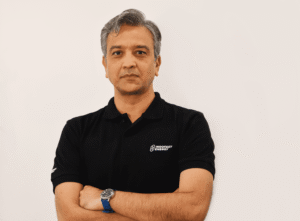 Anant Badjatya, CEO of IndoFast Energy discussed the practicality of battery swapping in everyday India: “Electric mobility must be practical, affordable, accessible, and sustainable. Through battery swapping, we are integrating technology seamlessly into daily life.”
 Two-wheelers are the backbone of sustainable mobility. “This World EV Day, BGauss reiterates our commitment to making sustainable transportation safer, smarter, a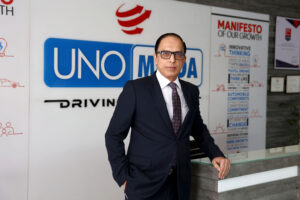
 30% EV penetration by 2030, India must scale domestic battery production, expand charging infrastructure, and create inclusive financing models,” stated Sumedh Agarwal, Director of AEEE.