

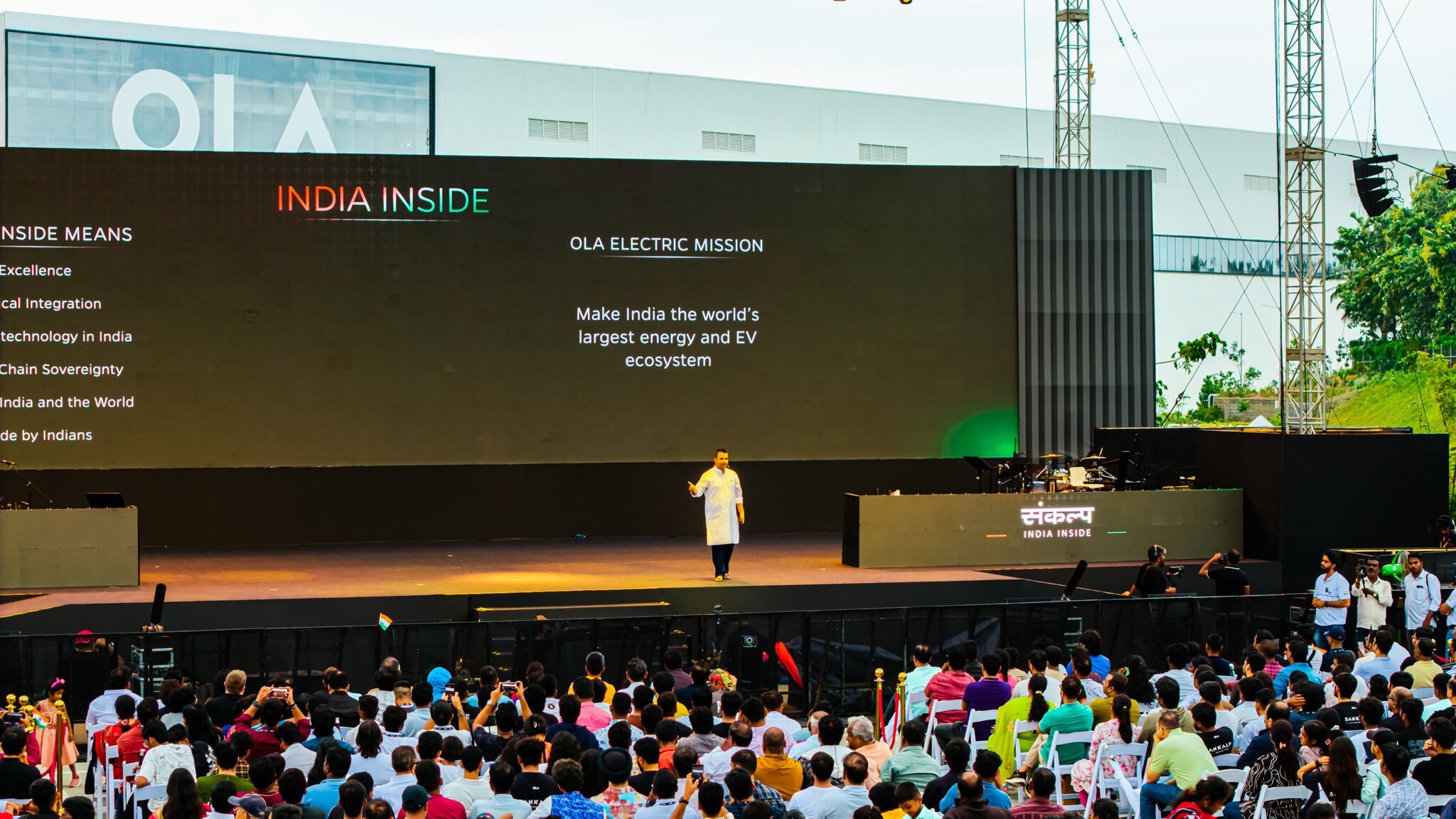
Mumbai August 15, 2025: On Independence Day, Bhavish Aggarwal walked onto the stage of Ola Electric’s Sankalp event in Krishnagiri, carrying the swagger of a founder determined to shape India’s mobility future. He spoke of his “India Inside”, a mission to create technology so deeply rooted that Indian hardware and software become embedded in global products. The irony is that before he builds “India Inside”, can he fix “what’s inside Ola” questioned various industry & broking analysts who spoke to EV Story, who track the scrip on BSE.

“For all the fanfare of the Sankalp stage, Ola’s credibility now depends less on futuristic prototypes and more on delivering reliable scooters to middle-class families in Lucknow, Coimbatore, or Nagpur.”
“Yes, a first-time customer may be hesitant to switch to Ola because the challenge is no longer limited to technology. It’s about execution, service quality, and customer trust,” the analyst added.
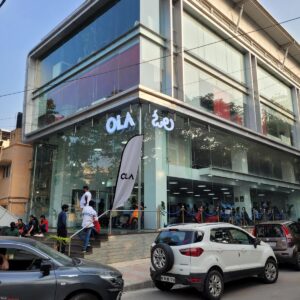
The trust deficit is real. Hero MotoCorp and Bajaj have over 6,000 and 5,000 service outlets, respectively, while TVS has over 4,500 service outlets. Ola, despite being in the market for three years, has just around a fifth or less of its rivals’ footprint. For many customers, the excitement of purchasing an Ola scooter quickly fades into the frustration of finding a repair shop.
Critics wonder if Aggarwal’s showmanship, unveiling concept bikes and even humanoid robots, is just a smokescreen for a founder who knows he has lost ground to the very legacy players Ola set out to disrupt.
Rebooting Ola
Revitalizing Ola: The Path Forward- Ola’s  star is dimming. Vahan registration data show its monthly deliveries have slipped below 20,000 units — less than half its 2023 peak. In July, TVS sold 22,256 iQubes, up 13% year on year, topping India’s electric two-wheeler charts for the fourth straight month. Hero’s Vida and Bajaj’s Chetak aren’t far behind, steadily closing the gap.
Aggarwal concedes Ola has lost ground, shifting focus from raw market share to what he calls “profitable growth”. The company is tightening costs, improving margins, and expanding its service network. But insiders note that investors and regulators are less interested in vision than in whether Ola can finally deliver scooters on time and service them reliably.
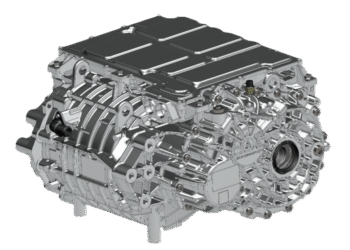
The big bet remains Ola’s Gigafactory in Tamil Nadu, designed to produce homegrown batteries and motors at scale. If execution matches ambition, the project could cut costs, secure supply chains, and hand Ola genuine tech leverage. But for now, execution, not vision, is the missing piece.
Bhavish’s Counterpunch
Nonetheless, Aggarwal has not lost his desire to fight.When TVS boasts about dependability, Ola responds with new models that go beyond scooters, including bikes aimed at both commuters and aspirational customers.
Hero boasts distribution muscle, while Ola promises a rapid expansion of service touchpoints. Bajaj showcases its premium brand Halo, while Aggarwal unveiled upgrades aimed at propelling Ola’s scooters upmarket — greater range, smarter connectivity, and sharper design.
Against this backdrop, Aggarwal’s announcements at Sankalp read like counter-punches in a heavyweight bout.On service, Ola’s push to expand and digitise its network is a bid to blunt Hero MotoCorp’s dealer-led dominance. Hero’s traditional strength is its 50%+ share of rural two-wheeler sales, which Ola has barely touched. “We will not let service be a weakness,” Aggarwal told the audience.
Even the humanoid robot, a moonshot by any standard, was a counterpunch of a different kind: a reminder that Ola still sees itself as India’s answer to Tesla, pursuing projects that keep its brand in the global tech conversation. Perhaps the boldest bet is vertical integration. Ola’s Gigafactory aims to consolidate cell and motor production under one roof. If it works, Aggarwal believes Ola can beat competitors not just on price but on control of core technology. The message was clear: Ola would no longer play defence.
The Founder’s Gamble
Whether Aggarwal’s counterpunches land is an open question. Ola’s story is marred by credibility issues, delivery delays, inconsistent service, and overpromising. In July 2025, Ola Electric’s market share in the Indian electric two-wheeler market dropped significantly to 17.35%, compared to 38.335 in July 2024. This decline is a result of a substantial decrease in sales, from 41,802 units in July 2024 to 17,848 units in July 2025.
Investors and customers alike are waiting to see if Aggarwal can improve execution before Ola loses its early-mover advantage. If he fails, Ola risks becoming another cautionary tale in India’s startup economy, a company with lofty goals but subpar execution. Aggarwal doesn’t agree.
“This is not just about producing EVs in India; it is about making India the world’s EV leader,” he stated, reinforcing his “India Inside” vision.
However, the irony is hard to miss: here is a man who wants to build India from within but has yet to demonstrate that he can fix what is inside Ola by transforming ambition into action.