


NEW DELHI, August 28, 2025: India’s electric vehicle (EV) revolution is a marathon to deliver not only cleaner mobility but also economic and social transformation. Uday Narang, Founder and Chairman of Omega Seiki Mobility, believes the sector has moved past its chaotic early years and is entering a more disciplined, decisive phase.
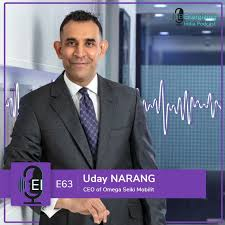
As part of the EV Story’s Change for Progress series, Narang discusses how India’s EV movement has matured, how total cost of ownership is reshaping consumer choices, and how inclusivity and policy reform will determine whether the marathon is successful. His framing comes at a critical juncture: India has set a 2030 target of significantly electrifying road transport, with the goal of 30% penetration in private cars, 70% in commercial vehicles, and 80% in two- and three-wheelers.
From Buzz to Staying Power
“The EV industry in India is entering a new phase, one defined not by hype or hope, but by consolidation, clarity, and commitment,” Narang says. “We’ve moved beyond the initial wave of excitement, where countless startups jumped in to make a quick buck, to a more stable and serious landscape. Now, only those with true staying power, scale, strong products, and a long-term vision remain. And that’s a good thing,” he says
From Scooters to Trucks
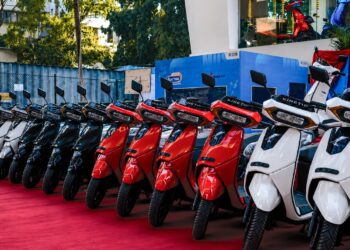
India’s EV story began with two- and three-wheelers, ideal for congested roads and short distances. Their adoption was swift and especially empowering for gig workers. But Narang sees the real breakthrough in electric trucks, particularly the one-tonne category, the workhorses of e-commerce, cold-chain logistics, and city freight. “As cities push for cleaner air and businesses look to lower costs, electric trucks are no longer a future concept; they are today’s necessity,” he says.
Growing Up Fast
Early opportunists without robust products or supply chains have quietly exited. What remains, Narang argues, are firms with the discipline to scale. “To survive and thrive in this space, your vehicle needs to be world-class — not just in design, but in reliability, durability, and after-sales support. That’s the only way both the manufacturer and the consumer win.”

The TCO Test
India is one of the world’s most price-sensitive markets, and here, the total cost of ownership (TCO) decides outcomes. “Upfront price is important, but what matters more is what the vehicle costs to run, maintain, and support over its lifecycle,” Narang explains. Lower running and maintenance costs naturally favour EVs — but only if the ecosystem of charging, financing, and servicing keeps pace.
Engines of Inclusion
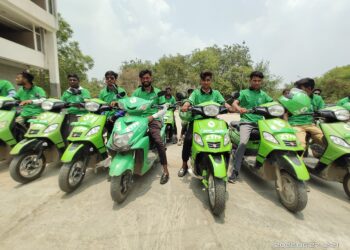
For Narang, the EV movement isn’t just about clean energy but also empowerment. Gig workers are finding EVs to be smarter and cheaper tools for financial stability. Women, too, are emerging as a driving force. “With the right training, access, and support, women can become drivers, technicians, engineers, and entrepreneurs in the EV workforce. That’s true, Nari Shakti,” Narang says.
A Policy Push That Matters
While EVs have a low GST rate of 5%, key components like batteries and charging gear are taxed more heavily, which Narang believes limits scale. “Rationalising GST across the supply chain—from battery cells to chargers—will not only lower prices but also send a clear signal of long-term commitment to clean mobility,” he claims.
A Race Worth Winning
According to Narang, India’s EV journey is no longer a sprint to market, but rather a long-term pursuit of sustainable, inclusive, and scalable mobility. “The finish line must mean victory,” he says.
That conviction is central to the Change for Progress series: India’s energy transition is about more than just clean technology; it is also about creating an economy that lasts, empowers, and includes everyone. With 2030 as a milestone for EV adoption and climate goals, Narang’s marathon metaphor serves as a reminder that the country is not chasing quick wins, but rather preparing for a race worth winning.