

BENGALURU 28th August 2025: India’s electric two-wheeler market is accelerating into a decisive phase, and TVS Motor Co. is placing its biggest bet yet with the launch of the Orbiter, a sub-₹1 lakh scooter aimed at sparking mass adoption and consolidating the company’s lead in a fiercely competitive market.
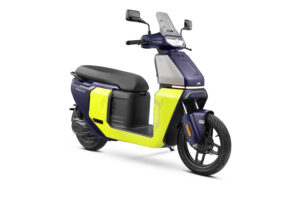
The Orbiter, priced at ₹99,900 in Bengaluru and New Delhi after government subsidies under the e-Drive scheme, joins India’s rapidly expanding electric vehicle market.
Electric two-wheeler sales jumped more than 30% over the past year, pushing penetration to 6% of total two-wheeler sales in fiscal 2025 and over 7% in July alone. Analysts predict annual growth of more than 28% over the next decade, fuelled primarily by young urban commuters drawn to EVs for their practicality, affordability, and environmental benefits.
Battleground: The Sub-₹1 Lakh Segment
By entering the sub-₹1 lakh bracket, TVS is targeting direct competition with Ola Electric’s S1X, Ather Energy’s Rizta, Hero MotoCorp’s Vida V1, and Bajaj’s Chetak variants. What was once a startup-driven price band is now the frontline where legacy manufacturers leverage expansive dealership networks, after-sales support, and brand trust to challenge a new generation of digital-first disruptors.
“India is the world’s largest two-wheeler market, but it’s rapidly electrifying—especially in our cities,” said Gaurav Gupta, head of TVS’s India two-wheeler business. “The Orbiter reflects this shift, combining comfort and connectivity with a price that makes EVs attainable for everyday riders,” he added
Features Designed for Urban India
The Orbiter introduces an industry-first 14-inch front wheel, aimed at enhancing ride stability and handling. It offers a roomy, 34-litre underseat compartment capable of storing two helmets, USB charging, and app-enabled safety features including crash alerts, geo-fencing, and remote monitoring. Powered by a 3.1 kWh battery, the scooter delivers an IDC-certified range of 158 kilometres on a single charge, supported by regenerative braking and dual riding modes tailored for stop-and-go city traffic. Its ground clearance of 169 mm suits Indian urban roads, while cruise control, hill hold assist, and reverse parking improve usability.
Urban Momentum, Rural Challenge
While metro areas are fuelling the EV boom, adoption outside cities remains hampered by sparse charging infrastructure and limited consumer awareness. Executives from TVS and industry rivals recognise that bridging this urban-rural gap is essential for India to hit its target of 80% electrification of two- and three-wheelers by 2030.
“Mass-market pricing and real-world practicality are essential—especially as rural and semi-urban buyers enter the market,” said a senior industry analyst, highlighting advances in battery technology, charging networks, and distribution as critical to tipping the scales.
A Race Worth Winning
For TVS, India’s top-selling EV two-wheeler brand, the Orbiter represents both a consolidation of urban market gains and an ambition to capture a broader Asian audience grappling with similar urbanisation and mobility challenges. The scooter will launch in six colour options, with sales beginning in metropolitan areas before expanding nationwide.
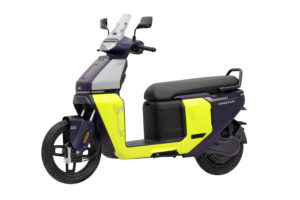
With India’s 2030 electrification goal looming, the sub-₹1 lakh segment is emerging as the battlefield where scale, price, and technology converge to redefine personal mobility.
The Orbiter’s launch signals that established manufacturers are placing measured bets on affordability and innovation to dominate. Should they succeed, analysts say India’s EV marathon could soon evolve into a contest that’s not just competitive but decisive.