

China’s export curbs on rare earth magnets could derail the auto industry’s growth momentum
MUMBAI: 10th June 2025: A supply-chain issue that is concealed deep within electric vehicle motors could soon impede India’s ambitious push towards electric mobility. As China increases its control over strategic exports, rare earth magnets—small in size but crucial in function—have become a possible weak point for India’s automotive industry.
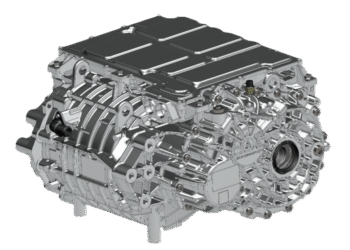
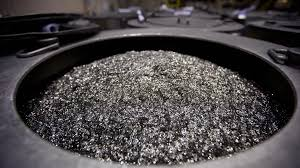
Permanent magnet synchronous motors (PMSMs), the preferred option for supplying power to electric vehicles because of their exceptional torque, small size, and energy efficiency, depend on rare earth magnets. While internal combustion engine (ICE) vehicles use smaller amounts in electric power steering systems and auxiliary motors, hybrid cars also rely on them. Rare earth magnets account for less than 5% of a car’s total cost, but if supplies are scarce, they could halt production lines.
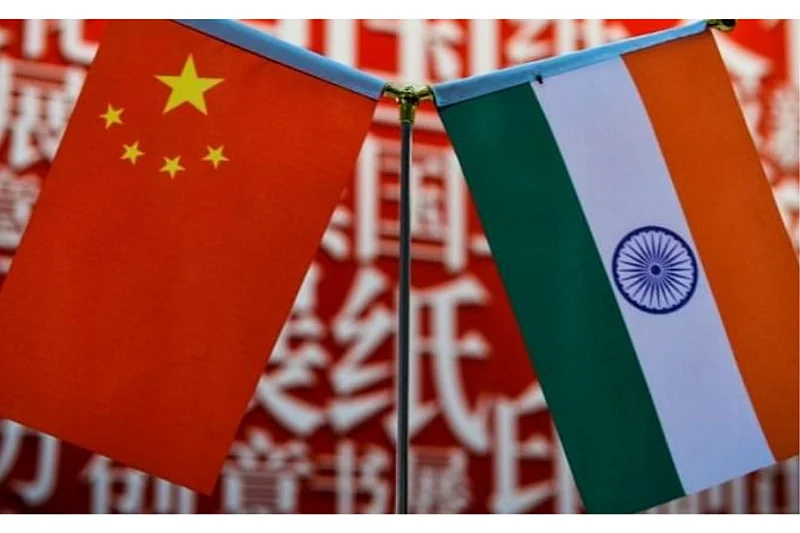
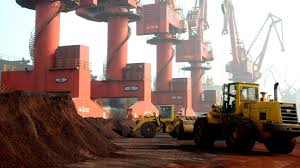
Now, that risk is real. China, which produces more than 90% of the world’s rare earth magnets, imposed extensive export restrictions on seven rare earth elements and completed magnets in April 2025. Now, exporters are required to obtain licences, give thorough disclosures of the product’s final use, and submit client declarations guaranteeing that the materials won’t be used for military purposes or re-exported to the US.
Since it takes at least 45 days to approve each export application, the procedure has rapidly become onerous. Backlogged clearances are starting to put pressure on global supply chains. The impact is immediate and increasing for India, the third-largest automobile market in the world. Last fiscal year, China supplied more than 80% of the nation’s estimated 540 tonnes of imports of rare earth magnets. About 30 Indian import requests had been approved by Indian authorities by the end of May, but none had been approved by China, leaving automakers with no new shipments and growing uncertainty.

According to Anuj Sethi, Senior Director at Crisil Ratings, “the supply squeeze comes just as the auto sector is preparing for aggressive EV rollouts.” “Over a dozen new electric models are lined up for launch, most of them built on PMSM platforms. While most automakers currently have 4-6 weeks of inventory, prolonged delays could start affecting vehicle production, with EV models facing deferrals or rescheduling from July 2025.”
It couldn’t be worse-timed. In fiscal 2026, India’s domestic passenger vehicle (PV) volumes are anticipated to increase by 2-4%, while electric PVs are anticipated to rise by 35–40%, albeit from a low starting point. In contrast, electric two-wheelers (2Ws) could grow by about 27%, significantly exceeding the 8–10% growth in 2Ws overall. EVs are particularly vulnerable to a prolonged supply shortage, which could dampen this growth.
The automotive industry’s dependence on just-in-time inventory systems increases its vulnerability. The industry was more at ease with low inventories during the pandemic because rare earth magnet supplies fared better than semiconductors. Although manufacturers in Asia, Europe, and America produce semiconductors, rare earth magnet processing is still largely centred in China, making short-term diversification challenging.

“The shortage of rare earth magnets is forcing automakers to reassess supply chain strategies,” says Poonam Upadhyay, Director, Crisil Ratings. Despite their negligible cost contribution, these magnets are indispensable for EV propulsion and electric steering. Automakers are actively scouting for alternative suppliers in Vietnam, Indonesia, Japan, Australia, and the US. They are also optimising their inventories, but in a constrained scenario, magnets may be diverted to ICE models, potentially impacting EV growth.”
Industry participants and the Indian government have both jumped into action. Building strategic stockpiles and promoting domestic assembly under the Production Linked Incentive (PLI) program are the main priorities soon. In the long run, India is investing in recycling infrastructure, increasing local processing capacity, and investigating rare earth reserves within its borders.

All of these endeavours, however, will require time. The speed at which China grants export clearances will determine the immediate future of India’s automobile manufacturing, and in particular, its aspirations for electric vehicles. One of the most significant obstacles to India’s industrial development is now a seemingly inexpensive, unimportant component.