

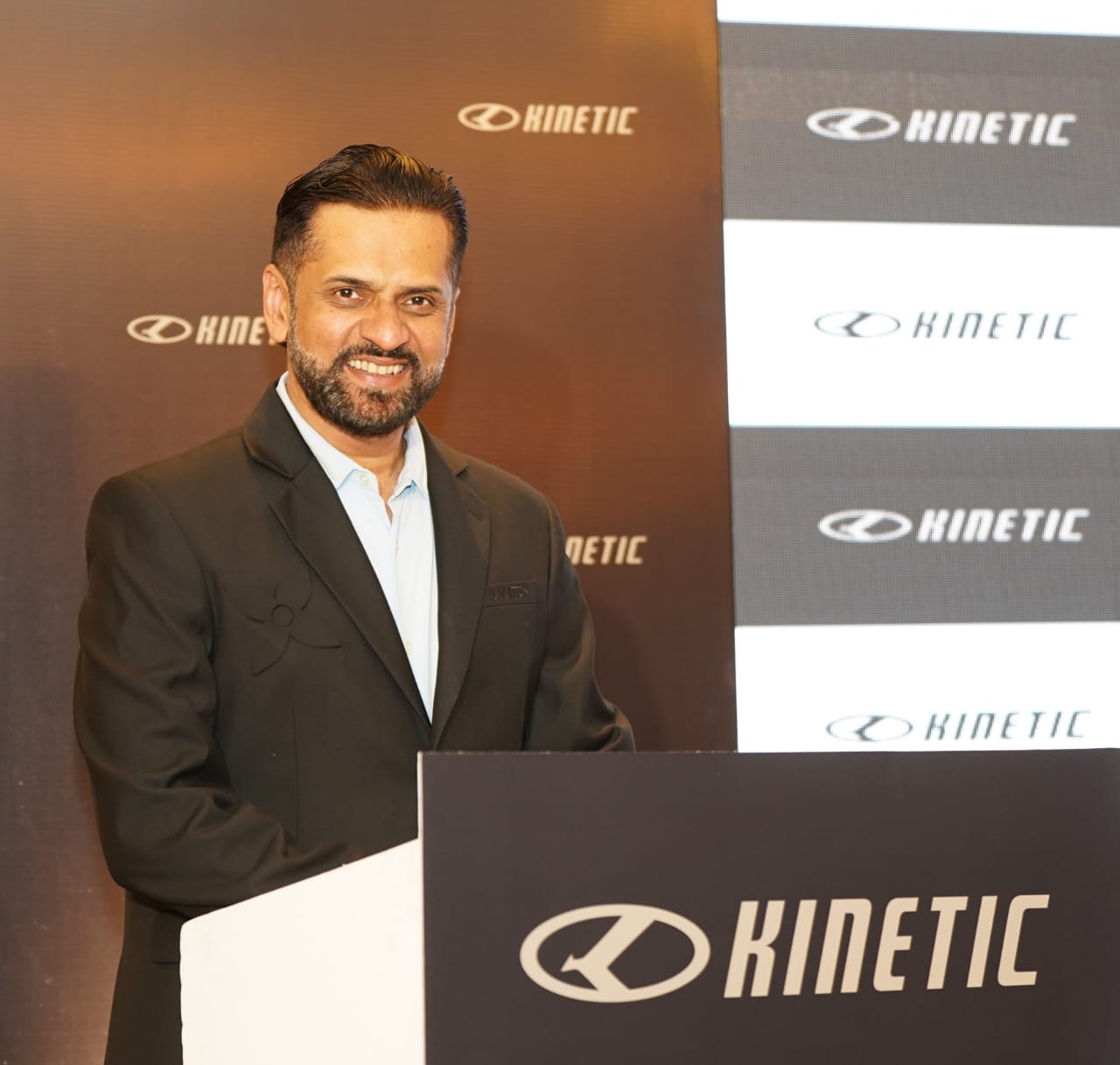
PUNE, 23 September 2025: Ajinkya Firodia, Vice Chairman of Kinetic India, knows what it takes to go against the tide of brain drain. Having studied and worked abroad, he returned to India to build businesses here, first in electric vehicle components and now reviving the storied Kinetic legacy.
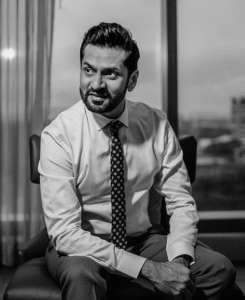 In light of the recent $100,000 H1B fine imposed by the U.S. government, Firodia sees more than a penalty; he sees a wake-up call for Corporate India and policymakers to nurture homegrown talent.
Firodia earned dual degrees in Engineering and Economics from Brown University in Rhode Island, United States, graduating in 2001. He then worked as an M&A analyst at JP Morgan in New York, honing the financial and strategic skills that he would later channel into growing Kinetic Engineering.
“For decades, India’s brightest minds have left in search of opportunity — and they have excelled,” he says. Yet Firodia chose a different path, returning to India to create and lead enterprises that leverage India’s own potential.
His perspective is sharpened by global benchmarks: today, 26 Indian-origin executives lead S&P 500 companies, including Microsoft, Alphabet, Adobe, IBM, and Novartis. “They have created hundreds of billions of dollars in value. Imagine the transformation if such talent had been nurtured here, building India instead of America,” Firodia observes.
He emphasizes that talent migration is about more than compensation.
Professionals leave because foreign ecosystems offer meritocracy, transparent business systems, reliable infrastructure, and world-class education — all the fundamentals India must now prioritize. “Instead of lamenting brain drain, we should create an India where ambition and innovation can flourish,” he says, stressing the importance of simplifying laws, delivering swift justice, rewarding merit, and investing in infrastructure and the middle class — levers that can transform the nation’s talent landscape.
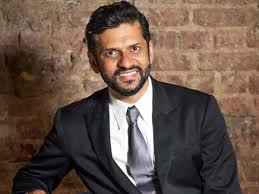 The H1B fine, Firodia argues, is a clarion call for India to act. “If we get this right, the next Microsoft or Google won’t just be run by an Indian — it will be built in India,” he asserts. He sees this as an opportunity for India to accelerate reform, rather than fear barriers abroad. “This fine is a reminder that the future of Indian talent depends on what India builds for itself,” he concludes.
For Firodia, the question is no longer why talent leaves, but how India can create a country where talent chooses to stay, innovate, and lead globally. His own journey — from studying and working in the U.S. to pioneering EV components and revitalizing Kinetic — embodies the solution: when India provides the right ecosystem, ambition, innovation, and homegrown talent can flourish on a global stage.