

NEW DELHI, 11th March 2025
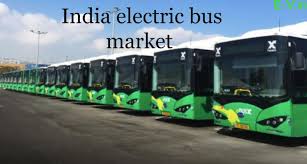
India’s electric bus market, which is currently pegged at around 3644 units in FY24, is poised to grow to cross 17,000 units, according to the latest estimate made by ratings agency Care Edge Ratings, which has ascertained that the growth in demand will come from cost efficiency as a major driver for adoption.
The report by CareEdge Ratings highlights that while electric buses have predominantly been seen in larger cities, their adoption is gradually expanding across the country. Arti Roy, Associate Director at CareEdge Ratings, has said that this trend will drive the widespread adoption of e-buses nationwide.
Government initiatives and policies such as the PM e-Bus Seva and PM e-Drive, have played a key role in supporting the transition. India’s electric bus potential remains high, with only six e-buses per million people compared to the global average of 85.
Currently, five manufacturers dominate the market, with Tata Motors, Olectra, JBM, PMI, and Switch Mobility controlling 88% of the market share in FY24. These companies have a combined manufacturing capacity of 40,500 electric buses annually and hold an order book of approximately 20,000 buses to be delivered within the next two years.
In FY24, electric buses accounted for only 4% of India’s total bus registrations, with 3,644 units sold. This represents a remarkable 81% year-on-year growth. The shift toward cleaner energy has significantly reduced the market share of diesel and petrol buses, which now account for just 90% of total bus sales, down from 97-98% a decade ago.
Cost efficiency is proving to be a major driver for adoption. The total cost of ownership (TCO) for air-conditioned electric buses is approximately 15-20% lower than diesel buses over 12 years, despite higher initial purchase prices. This cost advantage stems from lower fuel and maintenance expenses, making them increasingly attractive for public transport operators.