

MUMBAI: 29th April 2025: The Maharashtra government has increased the budget for the revised electric vehicle (EV) policy from ₹930 crore in 2021 to ₹1,995 crore today, as per a recent cabinet decision led by Chief Minister Devendra Fadnavis.
The state government has doubled its budget for EV incentives to ensure that electric vehicles account for 30% of new vehicle registrations by 2030.
The state has added seven new categories, including private bus operators, trucks, utility vehicles, and agricultural vehicles, that will now be eligible for incentives.
The 2021 policy offered incentives of ₹10,000 for two-wheelers, ₹30,000 for electric three-wheelers, and ₹20 lakh for electric buses, which will continue in the new policy.
In FY2025, Maharashtra accounted for 12% of total EV sales in India, and the state intends to encourage more consumers to buy electric vehicles. The state has made highways like the Mumbai-Pune Motorway, Atal Setu, and Mumbai-Nagpur Motorway toll-free for electric vehicles.
A senior government official informed EV Story that tolls will be waived on all Public Works Department highways in a phased approach. This waiver is separate from the ₹1,995 crore allocated for the EV policy.
To improve the charging infrastructure, the state intends to sign memoranda of understanding with various oil marketing companies and reserve space for EV charging at state transportation bus depots.
According to the policy, designated charging areas will be established, allowing two to three vehicles to charge at the same time.
Maharashtra will provide viability gap funding of ₹10 lakh to both private and government charging point operators.
The EV policy addresses the recent challenges faced by housing societies in establishing dedicated EV charging areas, requiring that societies achieve a 50% member vote in favour of EV charging stations before proceeding with their installation.
India’s leading EV players, both OEMs and financiers, have praised Maharashtra’s strong push to decarbonise the entire economy by transitioning to clean energy technologies.
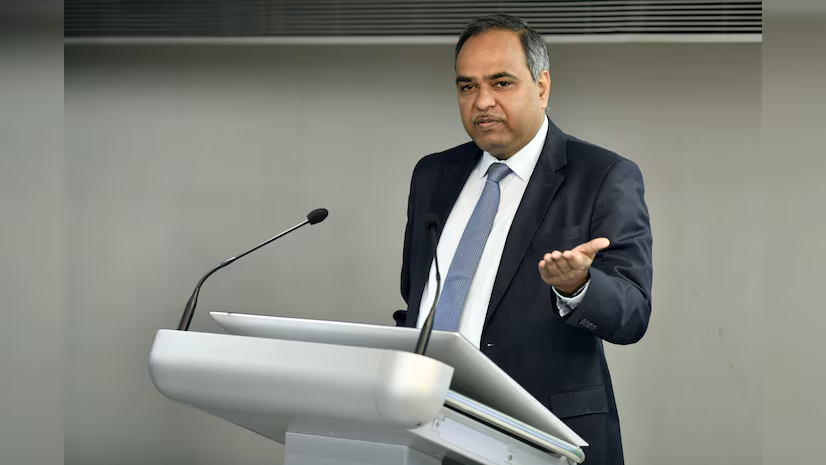
Mr. Shailesh Chandra, Managing Director of Tata Motors Passenger Vehicles and Tata Passenger Electric Mobility, stated that “the EV policy announced by the Government of Maharashtra is comprehensive and forward-thinking. It positions the state as a national leader in sustainable mobility. The emphasis on expanding charging infrastructure across major urban areas and highways directly addresses accessibility, which is one of the most significant barriers to EV adoption. Furthermore, the implementation of toll-free highways for EVs lowers operating costs, making electric vehicles more economically viable. The continuation of registration and road tax benefits provides long-term stability for both consumers and manufacturers.
Tata Motors, the pioneers of EVs and their enabling ecosystem in India, is committed to supporting Maharashtra’s vision by expanding our EV portfolio and collaborating on infrastructure development. We are excited to work with the government and industry partners to accelerate the adoption of electric vehicles and contribute to a zero-emission, sustainable future,” he added

Dhiraj Agrawal, Chief Business Officer at Mufin Green Finance, also said that the Maharashtra government’s updated Electric Vehicle (EV) policy signals a decisive move toward sustainable urban mobility. With goals such as achieving 10% EV penetration in new vehicle registrations by 2025 and converting 25% of public transport fleets in key cities to electric, the policy outlines a clear roadmap for the state’s green transition. This presents significant opportunities for the financial sector, particularly green financiers, to play a key role in enabling this shift.
“The increased demand for EVs, charging infrastructure, and battery manufacturing capabilities will require robust financial mechanisms tailored to fleet operators, logistics providers, and infrastructure developers. Financial institutions focused on sustainability can support this transformation by offering structured financing for EV adoption and supporting investment in associated infrastructure.” Dhiraj added
By fostering an ecosystem that encourages public-private collaboration and long-term investment, the policy lays the groundwork for scalable and inclusive growth in the EV sector is the overall mood within Corporate India