

March 13th, 2025
India requires an investment of Rs 25 billion in its supply chain to reach a 5 percent biodiesel blending target by 2030, according to a report by the leading ratings agency, India Ratings.
To achieve this goal, significant investment in the supply chain is essential. Additionally, the agency emphasizes that the government must provide incentives, such as tax subsidies, to enhance the uptake by oil marketing companies (OMCs).
The country’s progress towards biodiesel blending has been slow, with only a meager 0.6 percent blending achieved by FY25. This sluggishness is attributed to limited investments in the sector and difficulties faced by reverse logistics companies in collecting used oil, which is vital for establishing a robust supply chain for feedstock availability.
“To achieve the 5% biodiesel blending target by 2030, India must invest strategically and utilize government subsidies. This ambitious objective is vital for decreasing reliance on fossil fuels and advancing renewable energy,” informed Abhash Sharma, Senior Director of Mid Corporates at Ind-Ra.
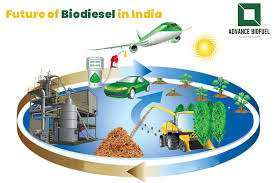
The National Policy on Bio-Fuels sets a target of 20% ethanol blending in petrol and 5% in biodiesel, reflecting India’s broader strategy to reduce fossil fuel dependency, promote renewable energy, and enhance energy security.
In 2024, India’s consumption of high-speed diesel (HSD) increased by 4.3% year-on-year and has grown at a compound annual growth rate (CAGR) of 2.7% over the past decade. It is projected to rise modestly by 1.7% in 2025, primarily driven by demand from commercial vehicles and buses.
Over the next five years, leading up to 2030, the government aims to meet the blending norms, with total diesel consumption expected to reach 104,000 thousand metric tons (TMT).