

22nd March 2025
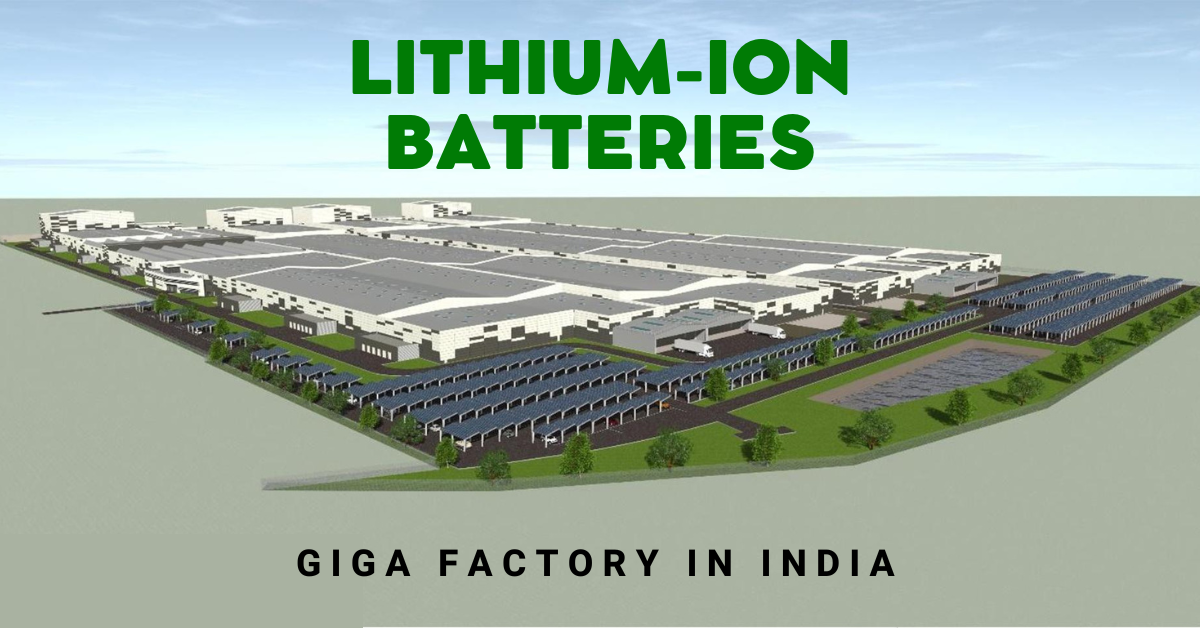
India is poised to invest Rs 75,000 crore to enhance its battery cell production capacity by nearly 150 GWh by the year 2030, as indicated by a recent study from ICRA.
At the moment, the nation relies on imports for lithium-ion battery cells, with its capacity mainly limited to battery pack assembly..The demand for lithium-ion battery cells is expected to reach 11–13 GWh by fiscal year 2025, with projections showing a significant increase to 60–65 GWh by fiscal year 2030 as India steps up its efforts to establish localized battery production. According to the report, stationary applications as well as electric vehicles (EVs) are responsible for this demand spike.
In order to lessen dependency on imports, the ratings agency emphasizes that a number of battery manufacturing companies in the nation are working to establish a domestic cell manufacturing ecosystem.
ICRA points out that despite a positive outlook, the industry is still categorized as high-risk because of uncertainties about investment returns, the dependability of technology, and the sourcing of raw materials. Furthermore, the infrastructure for battery recycling has not advanced significantly in recent years.
According to the report, the electric vehicle (EV) market in India is expanding quickly, and over the next five years, EV adoption is predicted to rise sharply due to government initiatives, greater public awareness, and an increase in new product launches. Manufacturing in this sector has drawn a lot of attention because battery cells are the most important and costly part of an EV, making up 35–40% of the total cost.
China dominates the global market for lithium-ion batteries due to its superior manufacturing and raw material processing skills. Battery prices have been falling due to increased supply; in 2024, a 20% annual decline is predicted.
ICRA predicts that in the medium run, the world’s supply of lithium-ion batteries will surpass its demand, which may affect pricing patterns in India.