


Mumbai 26th August :As India’s electric mobility ecosystem reaches an inflection point, the drive for scale and expansion is pushing many EV companies to tap into the capital markets. In a move that could fast-track their journey, the Securities and Exchange Board of India (SEBI) is exploring the creation of a regulated pre-IPO trading platform, giving unlisted companies the ability to trade shares before going public, subject to transparent disclosures.
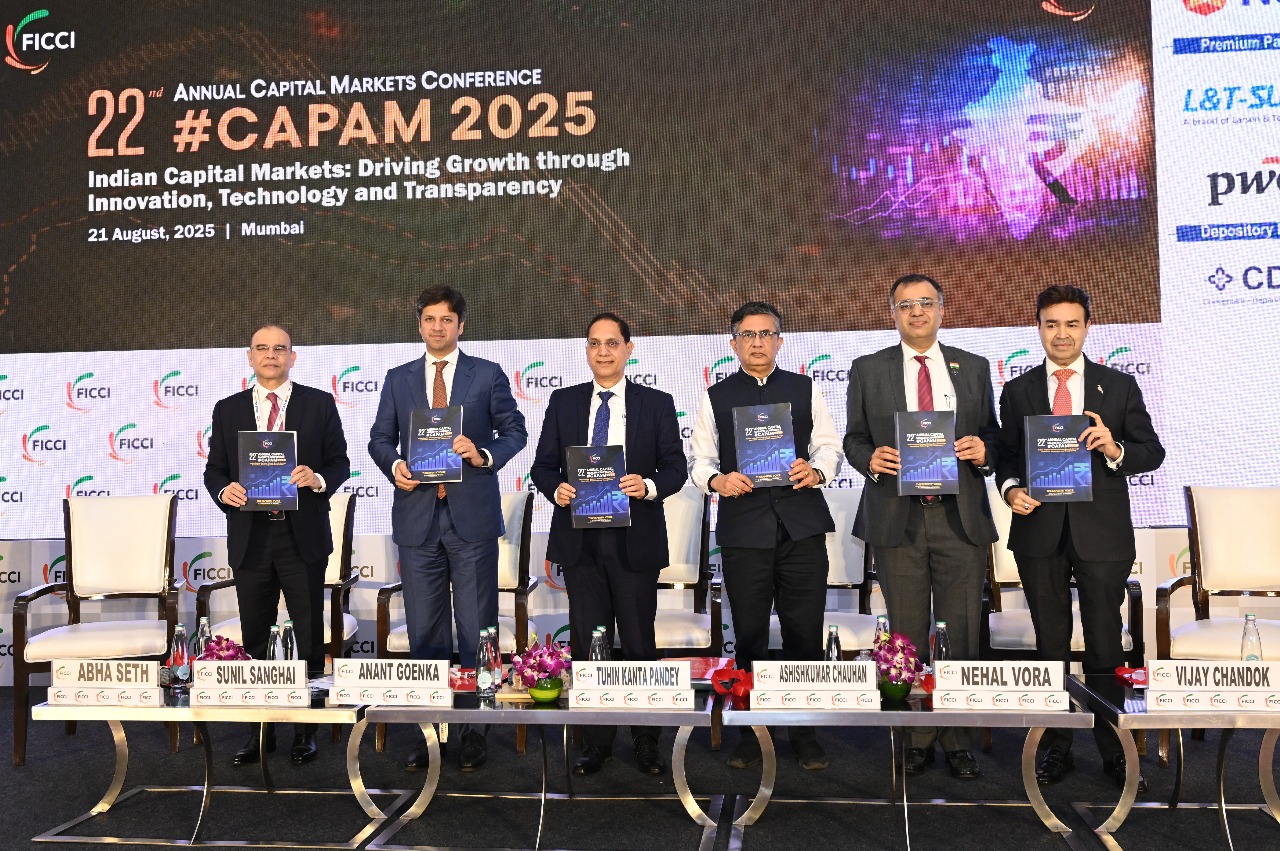
The proposal was unveiled by Tuhin Kanta Pandey, Chairman, SEBI, at FICCI’s CAPAM 2025, and is seen as a milestone reform aimed at deepening India’s capital markets and creating a more inclusive funding ecosystem for innovation-led sectors like electric vehicles.
“Can we think of an initiative on a pilot basis for a regulated venue where pre-IPO companies can choose to trade, subject to certain disclosures?” Pandey posed to industry leaders during the 22nd edition of the FICCI conference, which centred on innovation, transparency and inclusive growth.
This new venue could be a game-changer for India’s sunrise sectors, particularly electric mobility, where startups are rapidly maturing and preparing for public listings. As capital-intensive businesses, many EV firms are reaching the stage where going public is not just a financial milestone, but a strategic leap toward expansion, credibility, and global competitiveness.
India’s capital market has undergone exponential growth in recent years. With 130 million unique investors, 70 million mutual fund holders, and a primary market fundraising of ₹4.3 trillion in FY2025, the country has now become the fourth-largest securities market globally. A robust pipeline of ₹1.4 trillion for upcoming public offerings underscores strong market confidence.
“The next five to 10 years look extremely promising. There are extraordinary possibilities,” said Sunil Sanghai, Chairman, FICCI Capital Markets Committee and Founder, NovaaOne Capital, noting India could rival Japan’s $6 trillion market.
Alongside traditional market segments, SEBI’s new measures could stimulate innovation in emerging asset classes. Sanghai highlighted the need to expand exchange-traded funds and index products, strengthen the fixed income market, and diversify offerings in real estate and infrastructure trusts (REITs and InvITs), which now manage $100 billion in assets.
Ashish Chauhan, Managing Director, National Stock Exchange, showcased the power of technology in scaling market access. From 200 companies at inception to 2,800 today, the NSE now handles over 2,000 crore transactions in a six-hour window, earning its reputation as the world’s fastest stock exchange.
Meanwhile, Nehal Vora, Managing Director, Central Depository Services Limited, pointed to the democratisation of investing, with 20 crore demat accounts—80% of which are from tier 2 and 3 cities. “Our youngest account holder is just 45 days old,” he said, reflecting a generational shift in financial participation.
SEBI is also set to roll out a UPI validation framework from October 1, 2025, to shield investors from cyber fraud. A tiered artificial intelligence adoption model is also in development, ensuring oversight and accountability in tech-led market practices. “The task of capital formation in the face of global headwinds in the era of geopolitical and geoeconomic fragmentation is a daunting challenge,” Pandey acknowledged.
As India’s EV industry marches toward scale and global relevance, access to pre-IPO capital through regulated platforms could mark a turning point. SEBI’s forward-thinking reform is poised to unlocking liquidity and catalyze the next generation of Indian innovation.