

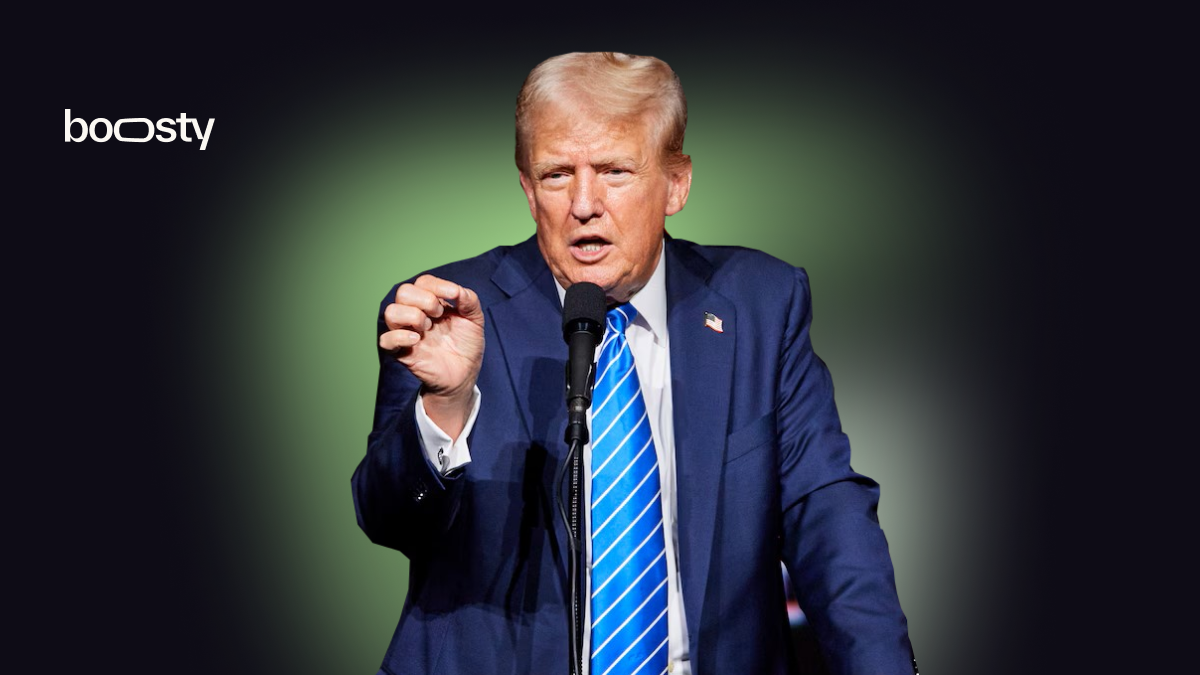
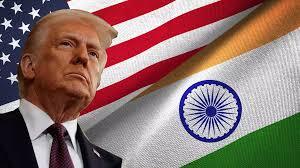
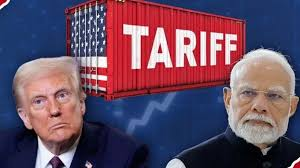
INDIA August 26th:The latest US President Donald Trump imposed 50% tariffs, which go into effect on August 27, 2025, are expected to disrupt the economics of nearly 27% of India’s auto component exports and 17% of tyre exports.
The sweeping tariffs are threatening to erode the competitiveness of India’s $80.2 billion auto component industry. Analysts warn of margin pressures, slower exports, and potential shifts in the supply chain.
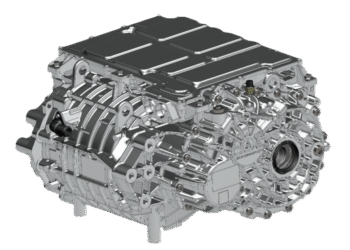
While components covered by Section 232 of the US Trade Expansion Act, such as engines, drivetrains, and electrical systems supplied to passenger cars and light trucks, will face a uniform 25% duty across all exporting countries, other parts, including those supplied to the off-highway, construction, and farm equipment segments, will face a 50% tariff.
“Indian exporters previously had a slight advantage over China in certain categories, particularly tyres. That edge may now be offset by the preferential tariffs granted to peers in Southeast Asia, such as Vietnam and Indonesia,” ratings agency Icra said.
Margin Pressure and Strategic Shifts
According to India Ratings and Research (Ind-Ra), while OEM-related contracts may remain shielded in the near term due to longer supply agreements, the replacement market could feel the pain sooner. “The newly imposed US tariffs could disrupt the growth momentum of India’s auto component exporters. While items under Section 232 may remain unaffected, the industry faces pricing pressure and margin risks for others, as the heightened tariffs have eroded India’s competitive advantage,” said Shruti Saboo, Director, Corporates, Ind-Ra.
Ind-Ra added that some suppliers may be forced to consider setting up manufacturing bases closer to the US – particularly in Mexico, which enjoys zero tariffs under the USMCA agreement and lower labour costs. However, such moves would squeeze margins, given the capital costs involved.
Impact on Tyres and JLR
The tyre sector, where exports to the US constitute 17% of India’s overseas shipments, is especially vulnerable in the replacement market.
For automakers, Tata Motors’ subsidiary Jaguar Land Rover (JLR) is most exposed. The US accounted for 33% of JLR’s volumes in the first nine months of FY25 and 23% of revenue in FY24. Any price increase resulting from tariffs could weigh on JLR’s US demand.
Global Context
The tariff hike also undermines India’s gains from the China+1 strategy, which had encouraged global OEMs to diversify away from China. While China faces high tariffs too, its scale and deep supply chain still make it competitive. In contrast, Vietnam, Thailand, and Indonesia benefit from duties in the 15–20% range, while Mexico stands out as the biggest beneficiary due to geography and trade pacts.
Outlook
With tariffs set to take effect, Indian suppliers are racing to assess exposure. Analysts expect OEM-linked exports to remain steady in the short term, while the replacement and off-highway segments will likely see an immediate hit.
“Exports have been margin-accretive for the Indian auto component industry. With subdued demand in Europe and tariff uncertainties in the US, suppliers will need to diversify geographies, improve cost efficiencies, and explore nearshoring options,” Ind-Ra said.