

INDIA, 13th September 2025: India’s two-wheeler market is facing a significant challenge for manufacturers: they must cater to price-sensitive buyers who rely on affordable motorcycles and scooters, while also appealing to aspirational riders who prioritize performance, connectivity, and sustainability.
According to researchers from Kearney, this tension is reshaping the world’s largest two-wheeler industry, a $21 billion ecosystem that produced 24 million units in FY2025.
The report highlights that although internal combustion engine (ICE) vehicles continue to be the foundation of personal mobility, dominating rural and entry-level demand, there is a growing trend towards premiumization and electrification.
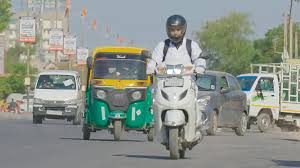
Buyers are willing to spend more on feature-rich ICE models, while scooters are gaining market share in urban areas. Currently, electric two-wheelers account for just 7–8% of sales, but this is expected to rise to 30% by 2030. Manufacturers face a dual challenge: enhancing affordable options while also scaling up premium and connected offerings.
Broad-Based Growth and New Demand Segments
With 20 million units sold domestically in FY2025, the industry is projected to grow at an annual rate of 6–8% through 2030. This growth will be fueled by rising household incomes, the gig economy, and motorcycle taxi services, which already number between 1–1.5 million and are expected to expand under new government guidelines. Urbanization and robust rural incomes are diversifying sources of demand.
Scooters and Sports Bikes Lead the Shift
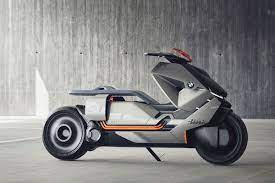 Once considered an entry-level choice, scooters now account for 36% of sales and could rise to 40% by 2030. This growth is driven by increased participation from women riders, daily commuters, and the rising popularity of electric scooters. On the premium end, motorcycles in the 150cc segment and sports bikes in the 250–450cc range are experiencing substantial growth, supported by brand partnerships like Hero–Harley-Davidson and TVS–Norton.
Premiumization: The Aspirational Leap
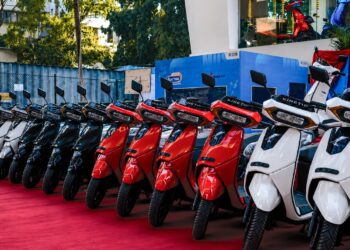
Kearney reports that original equipment manufacturers (OEMs) are experiencing sales increases of up to 20% on premium models, with riders willing to pay 7–12% more for features such as anti-lock braking systems (ABS), digital displays, and connected functionalities. Companies like Hero MotoCorp and Honda are enhancing their ICE models with richer features, while Ola Electric and Ather are competing in urban markets with software-led innovations and over-the-air updates.
Electric’s Growing Footprint: Focus on Tier 2 and 3 Cities
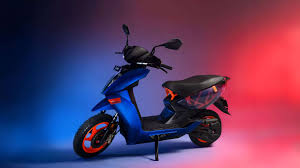
Electric vehicles (EVs) are projected to represent 30% of two-wheeler sales by 2030, equating to around 7 million units. Notably, Tier 2 and 3 cities are adopting EVs two to three times faster than metropolitan areas, driven by the convenience of home charging and positive word-of-mouth regarding reliability. Scooters comprise over 80% of EV sales, while motorcycles are lagging due to concerns about range and resale value.
The affordability of EVs is improving as battery costs have fallen by 15–20% over the past year, though financing challenges still remain.
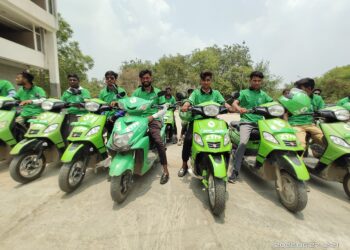
New business models such as battery swapping (with 2,500 stations currently, and 130,000 planned) and battery-as-a-service (monthly leases ranging from ₹700–1,000) are helping to ease these entry barriers. Furthermore, fleet electrification by companies like Amazon, Zomato, and BigBasket is contributing to the momentum.
Challenges and Strategic Imperatives
Financing for EVs often requires higher down payments and shorter repayment tenures, while insurance gaps for batteries continue to pose a risk. Dealers are adapting by restructuring their business models to smaller outlets and digital-first approaches to remain competitive.
Additionally, software is becoming a key differentiator, enhancing features like torque delivery, diagnostics, and connected services, which could create opportunities for subscription revenue streams.
The Road Ahead
 Kearney partners Manish Mathur, Anand Jayaraman, Shovik Banerjee, and Gaurav Chhabra argue that OEMs must diversify their offerings across both ICE and EV segments, reconsider their go-to-market strategies, improve their software capabilities, and establish partnerships for financing and infrastructure.
They conclude, “The future will belong to those who can balance affordability with aspiration,” highlighting the need to serve mass-market buyers while also appealing to aspirational consumers interested in performance, connectivity, and sustainability.