

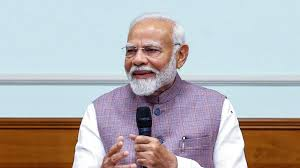
New Delhi, Sept 21st 2025: On the eve of GST 2.0’s rollout, Prime Minister Narendra Modi unveiled a Swadeshi 2.0 agenda, combining patriotic consumption with streamlined tax reforms, to put India’s 63 million micro, small, and medium enterprises (MSMEs) at the centre of the country’s manufacturing revival.
“Just as the Swadeshi movement powered our independence struggle, it must now fuel our prosperity,” Modi declared, urging Indians to take pride in buying and selling locally made products. “This should become the attitude of every Indian,” he said, stressing that economic self-reliance is as much a mindset as a policy goal.
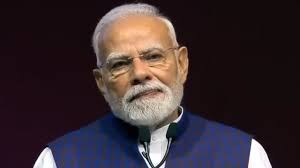
Modi’s revival of Swadeshi casts MSMEs, which employ over 110 million people, as the backbone of the government’s Make in India campaign and the broader vision for Viksit Bharat 2047.
The Prime Minister’s remarks coincided with the rollout of GST 2.0, which trims the tax structure to two slabs — 5% and 18% — and cuts levies on most daily-use items. Modi said the simplification would deliver more than ₹2.5 lakh crore in consumer savings this year. Branded as the “GST Savings Festival,” the reform launches alongside Navratri, aimed at making goods more affordable, spurring demand, and attracting fresh investment.
MSMEs in Focus
Modi hailed MSMEs as the “responsibility bearers” of Atmanirbhar Bharat, highlighting that lower tax rates will ease financial burdens, expand sales, and help reclaim India’s standing in global manufacturing.
“What we produce should become India’s identity globally,” Modi said, urging state governments to foster investment-friendly policies and work with the Centre to drive a unified push for self-reliance.
Challenges Ahead
Analysts note that while the government’s dual push of patriotic consumption and tax relief sets a promising stage, MSMEs face structural challenges: limited access to affordable credit, uneven technology adoption, and stiff competition from low-cost imports.
The success of Make in India and the aspiration of Viksit Bharat 2047 will depend on whether this mix of incentives and consumer pride translates into real manufacturing growth, and whether India’s smallest entrepreneurs can scale up to compete globally.