

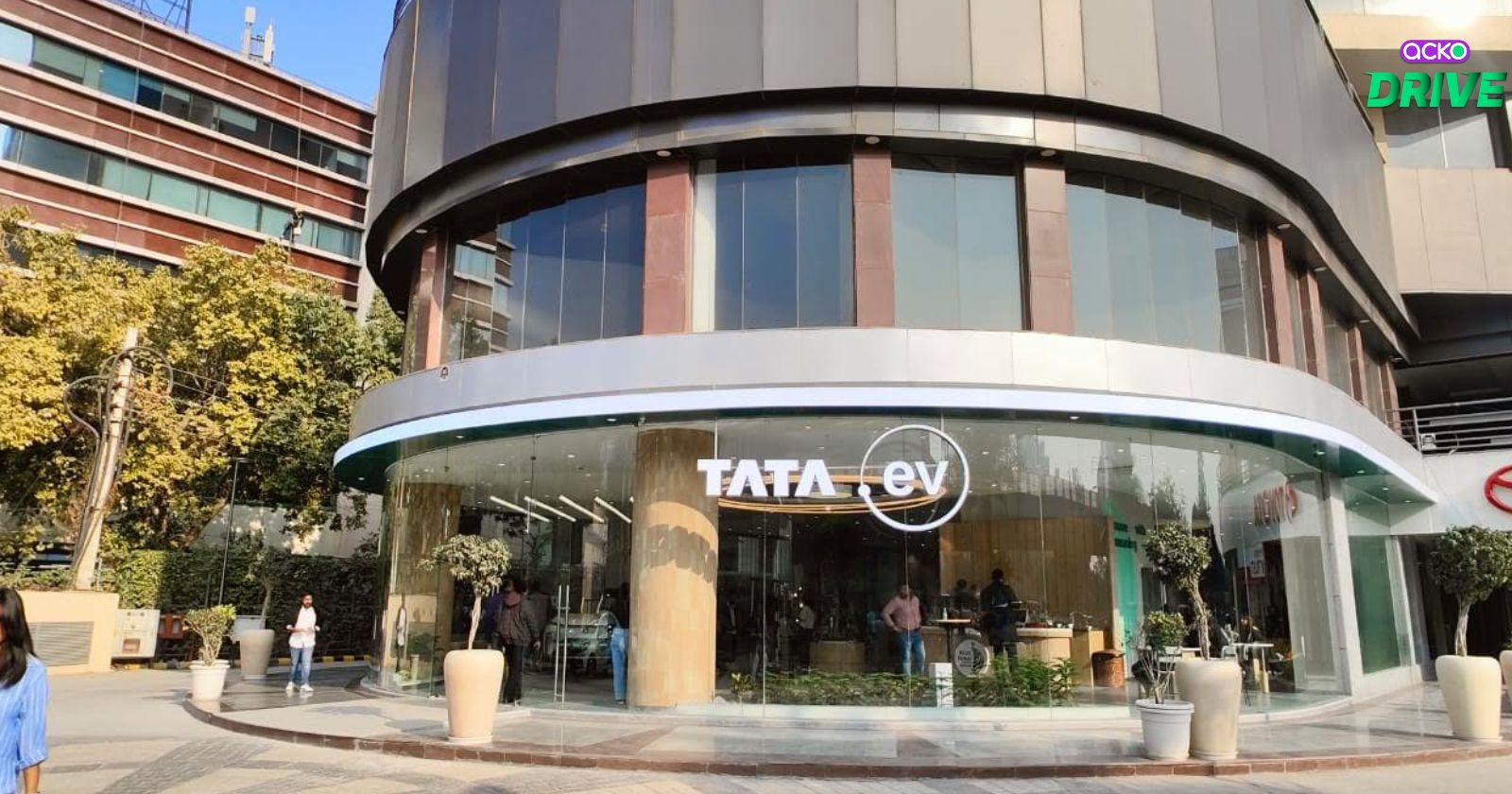
MUMBAI, September 1, 2025: Tata Motors reported a mixed set of sales numbers in August, with passenger vehicles slipping but electric vehicles surging to a record high, underscoring the shifting currents in India’s auto market.
The country’s largest EV maker sold 8,540 electric cars in August, a 44% jump year-on-year and its highest-ever monthly tally. The gains came even as overall passenger vehicle sales, including EVs, fell 3% to 43,315 units compared with the same month last year.
Domestic PV sales dropped more sharply, down 7% at 41,001 units as compared to 44,142 units in August 2024, hurt by a slowdown in demand for conventional models.
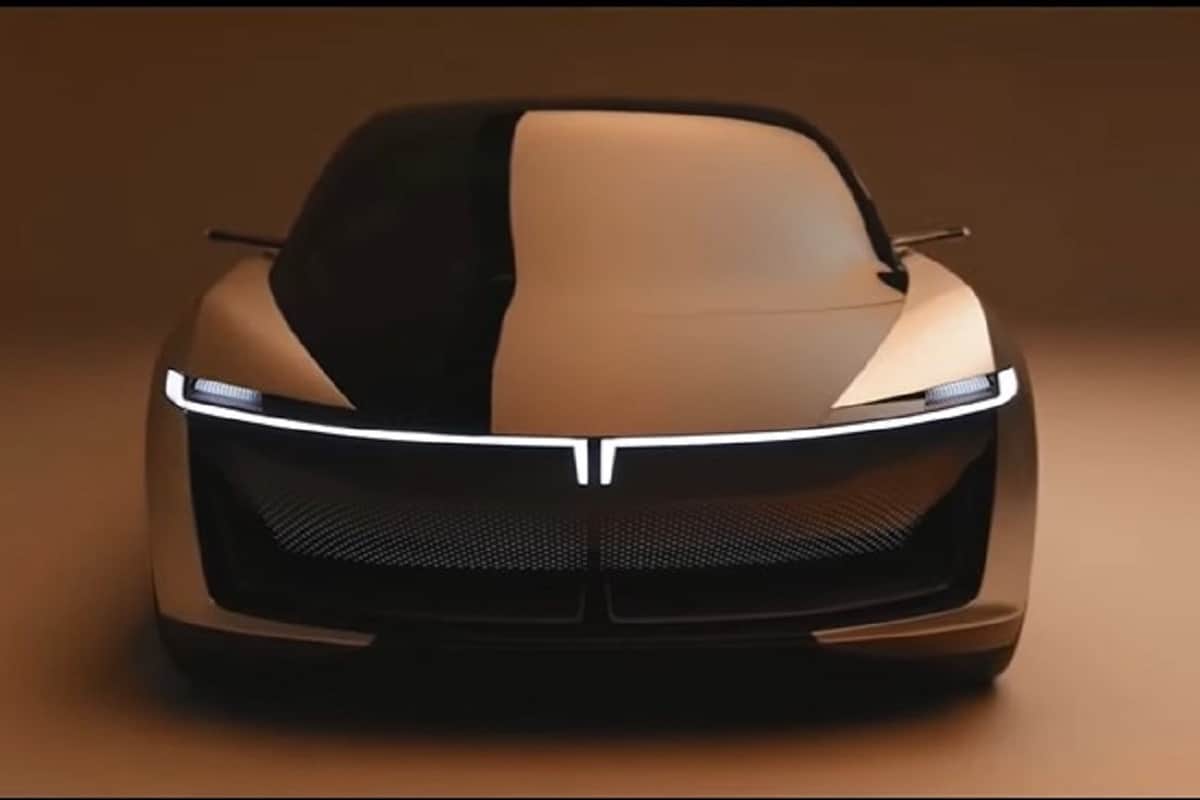
The company said the surge in EV volumes reflected “the highest-ever monthly sales with rising consumer confidence in EVs and accelerating the shift towards green, zero-emission mobility.”
Analysts noted that EVs, still a small slice of Tata’s PV business, are increasingly becoming its growth engine as rivals like Maruti Suzuki push hybrids and Mahindra doubles down on SUVs.
“EVs are offsetting part of the pain in Tata’s ICE portfolio. Without that bump, the PV decline would look much worse,” said a Mumbai-based analyst with a domestic brokerage firm.
Exports Offer a Lift
Another bright spot was exports. International passenger vehicle sales rose more than fivefold to 2,314 units from just 344 a year earlier. Tata has been gradually scaling its global footprint, with the Nexon EV and Harrier SUVs finding traction in select overseas markets.
Industry watchers say exports could become an increasingly important lever as competition intensifies at home. Commercial Vehicles Stay Strong Tata’s commercial vehicle business provided further support. Total CV sales rose 10% year-on-year to 29,863 units, led by medium and intermediate trucks, which grew 15%.
Domestic CV sales rose 6% to 27,481 units, while international business jumped 77% to 2,382 units, reflecting both recovering freight demand and Tata’s stronger overseas distribution. Heavy commercial vehicles (HCVs) also improved, up 5% at 7,451 units.

Passenger carriers, including buses, rose 5% as state transport undertakings resumed procurement. “The CV cycle is steadying after a soft patch, and Tata appears to be gaining from its broad product range,” said an analyst at an auto consultancy.
A Split Picture All told
Tata Motors sold 73,178 units in August, up from 71,693 units a year earlier, a modest 2% growth. The picture was split: commercial vehicles and EVs buoyed the company, but the core passenger vehicle business continued to soften. The divergence underscores the challenges facing India’s second-largest carmaker. While it leads in electric mobility and is building vertical integration through Tata Group companies, such as Agratas and Autocomp
It faces pressure in the wider PV market from Maruti Suzuki’s hybrid strategy and Mahindra’s blockbuster SUV lineup.
What Lies Ahead
Tata is betting that EV adoption will accelerate further in urban markets, where charging infrastructure is slowly improving. The company has committed billions in battery localisation and secured government incentives under the Production Linked Incentive (PLI) scheme.
That gives it an edge in costs and supply, but mass-market adoption still depends on reducing upfront prices and expanding charging networks. On the commercial side, Tata is riding the recovery in infrastructure and freight movement but faces renewed competition from Ashok Leyland, which has just announced a ₹5,000 crore investment in batteries and a long-term partnership with China’s CALB to strengthen its EV push. For now, the August numbers show
Tata’s transition is gathering pace.
EVs, once a sideshow, are fast becoming central to their story, even if traditional passenger cars remain under pressure. “The bet on electrification is what’s keeping Tata’s growth narrative intact,” said the Mumbai analyst. “But sustaining that momentum will require both scale and continued consumer confidence.” he added