

Gurugram, September 1, 2026: As the global automotive industry accelerates its transition toward electric and software-defined mobility, access to skilled talent is emerging as a critical factor in determining long-term competitiveness. With electric vehicles bringing together software, artificial intelligence, advanced batteries, automation and connected technologies, automakers are increasingly focused not only on attracting experienced professionals, but also on building a sustainable talent pipeline for the future.
The shift is transforming the automotive workforce. Automakers are now competing not only with traditional industry peers, but also with technology companies and startups for software engineers, AI specialists, battery experts and highly skilled technicians. The scale of the talent challenge is significant. Germany’s automotive sector faced a shortage of approximately 80,000 skilled professionals in 2024, while the UK reported more than 14,000 vacancies across the automotive sector, with only 27% of its workforce qualified to work safely on electric vehicles.
Against this backdrop, talent development is becoming an increasingly important strategic priority. Industry experts note that recruitment alone will not be sufficient to meet the evolving requirements of the EV industry. Companies will need to establish stronger connections with educational institutions, invest in technical training and create opportunities for students to gain practical industry experience. VinFast is taking a long-term approach to this challenge by developing talent pipelines well before candidates enter the conventional recruitment process.
As a member of Vingroup, Vietnam’s largest private conglomerate, VinFast benefits from an ecosystem spanning education, research, technology and industry. This provides the company with opportunities to collaborate with academic institutions and develop talent aligned with the rapidly evolving requirements of the EV sector. In 2025, VinFast and VinUniversity, Vingroup’s non-profit university, established a strategic partnership focused on battery technologies and advanced materials. The collaboration creates opportunities for students and researchers to participate in joint research projects, technical training and internships alongside VinFast experts.
VinFast has also established partnerships with 19 universities and higher education institutions across Vietnam to strengthen and standardize training programmes in disciplines critical to the future of mobility. These include automotive engineering, mechatronics, electrical and electronics engineering, automation and information technology. As part of these collaborations, VinFast provides hands-on training equipment and genuine technical repair materials, while EV-specific modules covering battery systems, powertrains and diagnostic software are incorporated into academic curricula. The initiatives are designed to provide students with practical exposure to technologies that are increasingly central to modern vehicle development, manufacturing and aftersales services.
Students also have opportunities to undertake internships at VinFast manufacturing facilities and service workshops across Vietnam. Outstanding candidates are prioritized for potential recruitment following graduation, creating a direct pathway from education and practical training to employment.
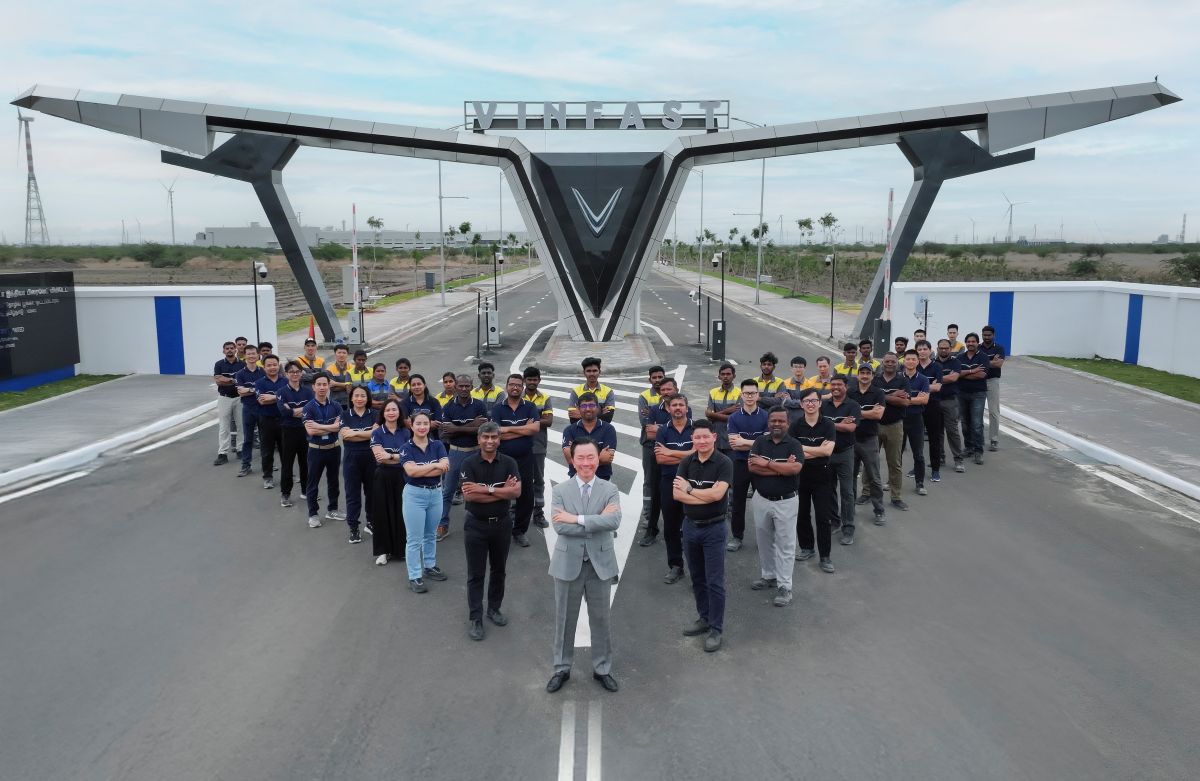
VinFast’s commitment to talent development extends beyond Vietnam, with workforce development integrated into its international manufacturing expansion strategy. In India, VinFast is targeting the creation of approximately 3,000 to 3,500 direct jobs at its Tamil Nadu manufacturing facility. Around 80% of the workforce is expected to comprise local fresh graduates and trainees, supporting the development of a skilled local workforce alongside the company’s manufacturing operations.
The company’s first recruitment drive in the region resulted in the selection of 200 local professionals, while 344 diploma students participated in the selection process through Tamil Nadu’s Naan Mudhalvan skilling initiative. The programme reflects VinFast’s focus on creating opportunities for young talent while developing skills relevant to the growing EV ecosystem in India.
In Indonesia, VinFast’s Subang manufacturing facility initially employed approximately 1,700 workers. To support the development of local capabilities, the company trained managerial personnel in Vietnam for three to four months and deployed Vietnamese experts to Indonesia to provide technical training to local technicians. As the company scales production, its workforce and training initiatives are expected to expand alongside the planned growth of its manufacturing operations.
VinFast’s approach reflects a broader view of talent development — one that connects education, technical training, manufacturing and employment to support the long-term growth of the EV ecosystem.
Industry observer Phạm Minh believes that human resources play a critical role across the entire EV value chain, from research and development and manufacturing to quality control and aftersales services. He noted that standardizing EV education can help create a generation of engineers with a shared “technical DNA”, enabling them to adapt to emerging technologies as they enter the workforce. Transportation researcher Nguyễn Văn Việt also highlighted the potential of industry-academia collaboration to bridge the gap between classroom learning and real-world industry requirements.
“This model creates value for all three stakeholders: companies gain talent that meets their requirements, educational institutions are able to update their curricula based on real-world needs, and students gain access to more high-quality career opportunities,” he said. “More broadly, this approach will help establish a strong human capital foundation for Vietnam’s EV industry to develop sustainably for years to come.” As the transition to electric and intelligent mobility gathers pace, the demand for specialized talent is expected to increase. VinFast’s approach is focused on addressing that demand through early engagement with students, industry-aligned education, hands-on technical training and local workforce development.
By investing in talent alongside technology and manufacturing capabilities, VinFast is building a workforce designed to support its long-term growth and contribute to the development of the wider EV ecosystem in the markets where it operates.