

8th March 2025
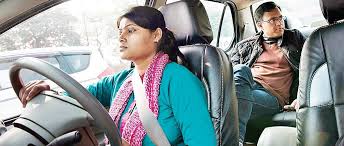
A recent study conducted by the online marketplace Spinny, which facilitates the buying and selling of used cars, has revealed that 26 percent of all new car purchases in 2024 were made by women.
This uptick in women car buyers was a notable increase from 16 percent in 2023.
By the end of March 2025, this figure has surged to 46 percent, indicating a positive trend that reflects growing confidence among women in the automotive market and a shift away from traditional ownership barriers, as stated in the company’s release.
“As more women make autonomous automotive decisions, they are driving a revolution that redefines the future of transportation.” the company has said.
The research also highlights that the increase in female car ownership correlates with the preferences of women buyers, with 60 percent favoring automatic hatchbacks for their user-friendliness, while 18 percent choose compact SUVs.
Popular choices among women include models such as the Renault Kwid, Hyundai Grand i10, and Maruti Suzuki Swift. In metropolitan regions, Delhi-NCR leads with 48 percent of women buyers, followed closely by Mumbai at 46 percent, Bengaluru at 41 percent, and Pune at 39 percent.
Even in non-metro cities like Lucknow and Jaipur, there has been a 20 percent increase in women car buyers, showcasing a nationwide trend of enhanced female involvement in vehicle ownership. The average age of women buyers is between 30 and 40 years, indicating a rising trend of young professionals investing in personal transportation.
This increase in women car buyers signifies a broader movement towards financial independence and the dismantling of societal norms.
Special promotions and incentives designed for women car buyers further support their engagement, creating a more inclusive and streamlined car-buying experience. As women increasingly take control—both literally and metaphorically—the automotive landscape in India is experiencing significant changes. Their preferences are ushering in a new era in the industry, focusing on trust, convenience, and personalization in vehicle ownership.