

NEW DELHI, 8th August 2025: After three months of steady gains, India’s auto retail market slowed sharply in July 2025, with total vehicle registrations falling 4.3% year on year due to monsoon disruptions, slow rural demand, and a shifted festive calendar, all of which combined to halt traditional sales momentum. Despite the broad sector-wide pullback, electric vehicle sales increased, indicating a significant acceleration in India’s transition to electrification.
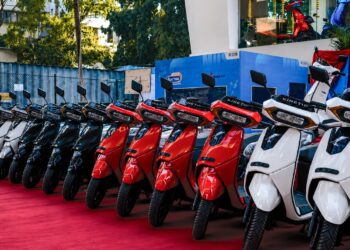
Electric Vehicles Defy the Downturn, Driving Growth Amid Uncertainty While conventional vehicle sales fell, electric vehicles (EVs) showed a clear upward trend. EVs accounted for 7.6% of two-wheeler retail sales in July, while the overall two-wheeler segment fell by more than 6%. The three-wheeler EV segment grew by more than 62%, driven by rising demand for e-rickshaws and last-mile delivery vehicles.
The passenger vehicle EV market share nearly doubled year on year to 4.73%, indicating rapidly growing consumer interest despite the reduction of traditional incentives. Industry leaders like Ather Energy, Mahindra Last Mile Mobility, and Ola Electric have optimised pricing and expanded into new rural and urban markets, focusing on fleet operators, gig economy workers, and delivery agents.
This year, extended crop-sowing activity and persistent monsoon rains further reduced rural dealership footfalls, wreaking havoc on the two-wheeler segment, which saw sales fall by more than 6%. Two-wheelers, which have traditionally served as a barometer of rural demand, have underperformed due to deferred rather than cancelled purchases.
Passenger vehicle sales, which had been buoyed for years by an SUV-driven surge, fell 0.81% year on year. Urban sales fell 2.5% due to cautious consumer sentiment and longer inquiry-to-booking lead times, while rural sales increased marginally thanks to targeted schemes and auspicious delivery periods during the Aashaada month.
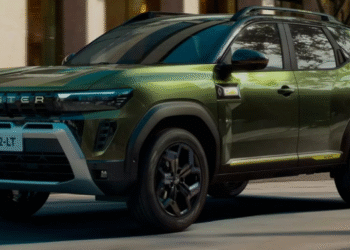
Key urban SUVs such as Maruti Suzuki’s Brezza, Hyundai’s Creta, and Tata Motors’ Nexon saw stagnant or declining market shares, pointing to a potential plateau in some metro areas. Mahindra & Mahindra’s Scorpio and XUV series maintained their rural strength but were unable to fully offset segment-wide softness.
Tractor sales, which were initially boosted by agricultural subsidies and favourable rainfall forecasts, slowed as delayed monsoons disrupted planting schedules in key agrarian states, dampening some rural purchasing enthusiasm.
Inventory Pressures Rise Ahead of a Stretched Festival Season Passenger vehicle inventories hovered near an uncomfortable 55-day level, intensifying pressure for discounting as manufacturers and dealers prepare for a traditionally lucrative period now fragmented across an extended festival calendar.
This electrification momentum serves as a bright counterpoint to the industry’s seasonal and economic headwinds, cementing EVs as a key driver of future growth.
Monsoon Rains and Rural Softness Stall Traditional Segments.

C Vighneshwar, President of the Federation of Automobile Dealers Associations (FADA), stated that a “high-base effect” from July 2024, when an extreme heatwave was quickly followed by heavy rains, complicates year-over-year comparisons.
Major festivals, such as Raksha Bandhan, Janmashtami, and Ganesh Chaturthi, take place in August and September, with the Navratri-Diwali window falling later in the fourth quarter. This staggered timing complicates effective stock management because many dealers are wary of overstocking in anticipation of unpredictable demand changes.
External Challenges Cloud the Sector’s Outlook Adding to domestic challenges, the recent imposition of a 50% US tariff on Indian exports has shaken investor confidence, weakened the rupee, and increased the cost of imported automotive components. When combined with volatile equity markets, these pressures may constrain manufacturer margins and dampen discretionary consumer spending, including vehicle purchases, in the near term.
Dealer Sentiment Remains Cautiously Optimistic Despite headwinds, dealer confidence holds firm. According to FADA’s internal survey, approximately 60% of dealers anticipate growth in August, supported by improving liquidity, focusing promotional efforts, and expectations of festival-driven foot traffic, especially in rural areas. Achieving sustained recovery will depend on precise, targeted marketing, flexible financing options, and agile inventory management tailored to the diverging rural and urban dynamics.
Looking Ahead: Electric Motors Hum Louder Amid a Market Pause As the effects of the monsoon continue to ripple through traditional vehicle segments, India’s auto industry is at a critical juncture. While traditional categories such as two-wheelers and SUVs face weather-related and consumer sentiment headwinds, the growing adoption of electric vehicles heralds a significant market shift.
The coming months will put the sector’s ability to convert latent demand into resilient growth to the test, as measured dealer optimism and strategic initiatives face tariff uncertainties and inventory challenges. For the time being, the unmistakable, steady hum of electric