

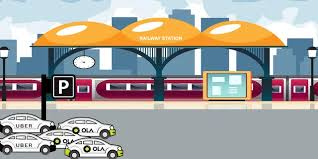
New Delhi, 23 September 2025: Last-mile connectivity in India’s sprawling urban transit hubs is receiving a major boost, with Uber launching its first-ever railway station integrations at Ahmedabad and Howrah. This partnership signals a crucial step in India’s ongoing shift toward seamless multimodal mobility.
“ Our exclusive collaboration with Indian Railways at Ahmedabad and Howrah stations strengthens urban mobility infrastructure and ensures reliable connectivity for millions of travelers,” said Shiva Shailendran, Director of Consumer Growth & Categories, Uber India & South Asia. “By integrating Uber’s technology with key public transport hubs, we’re building a seamless transportation ecosystem that simplifies city travel.”
Ahmedabad Railway Station, India’s seventh-largest, serves over 120,000 passengers daily—a number expected to triple to 300,000 by 2053. Howrah Railway Station, the gateway to Eastern India, handles more than 1 million daily travelers. Uber has established dedicated parking zones, kiosks, and on-ground support teams at both stations, ensuring quick cab access for riders and more trip opportunities for drivers.
Railways and Metros Drive Seamless Last-Mile Services
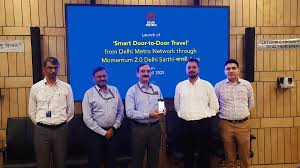 Indian Railways is not alone in enhancing last-mile connectivity. The Delhi Metro Rail Corporation (DMRC) recently launched its Sarthi-Momentum 2.0 app, which enables passengers to book auto-rickshaws, bike taxis, and metro tickets in a single transaction. The app also features walking navigation for nearby stations and has partnered with women-led startup SheRyds to offer bike taxis exclusively for female commuters, alongside a collaboration with Rapido for general bike taxi services.
Sustainability and Electric Mobility Gain Ground
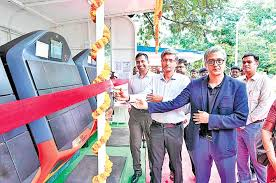 Electric mobility infrastructure is also expanding rapidly. Indofast Energy, a 50:50 joint venture between Indian Oil and Sun Mobility, recently commissioned its 1,000th battery swap station at Mumbai’s Lokmanya Tilak Terminus, creating a network spanning 22 cities and 10 states. Supporting over 50,000 EVs, the network has facilitated more than 39 million battery swaps, cutting about 55,000 metric tons of CO₂ emissions.
“Setting up 1,000 swap stations represents our commitment to making electric mobility accessible, efficient, and eco-friendly,” said Anant Badjatya, CEO of Indofast Energy. The battery-as-a-service model allows delivery executives and ride-share drivers to swap batteries in just two minutes, significantly boosting earnings and operational efficiency.
Innovations in Mumbai: Pod Taxi Project
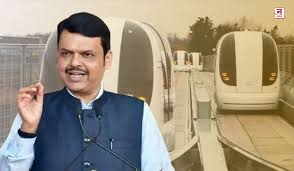 Mumbai is also embracing futuristic last-mile solutions. Maharashtra Chief Minister Devendra Fadnavis announced an automated, electric, and elevated pod taxi service connecting Kurla and Bandra. Serving business districts, the upcoming bullet train station, and the new Mumbai High Court, the pod taxis will integrate with the city’s single-card transit system—advancing Mumbai’s Personal Rapid Transit (PRT) vision.
Shaping India’s Urban Mobility Future
With railway stations and metro networks increasingly functioning as integrated mobility hubs, India is laying the foundation for next-generation transport infrastructure—where first- and last-mile connectivity is central, not peripheral. Transit operators are evolving into orchestrators of seamless multimodal journeys by integrating ride-hailing, electric mobility, and smart technology.
Uber’s railway station integrations, Indofast Energy’s battery swap network, and Delhi Metro’s digital last-mile services exemplify how technology can simplify commuting, enhance driver incomes, and improve urban mobility efficiency across India.