

NEW DELHI: March 11, 2025
The Delhi EV Policy 2.0, unveiled by State Transport Minister Pankaj Kumar Singh, places a strong emphasis on transitioning CNG autorickshaws, taxis, and light commercial vehicles (LCVs) to electric alternatives, as well as electrifying the state’s bus fleet.
Intending to achieve 95% electric vehicle registration for new vehicles by 2027, the policy seeks to enhance the sustainability of the city’s public transportation system and reduce the carbon emissions associated with daily commuting.
The policy plans to lay down incentives for purchasing electric two-wheelers, three-wheelers, e-light commercial vehicles (e-LCVs), and e-trucks will be part of the new policy. To support these incentives, a dedicated State EV fund will be established, funded through green levies, pollution cess, and aggregator licensing. The policy also emphasizes the expansion of EV infrastructure.
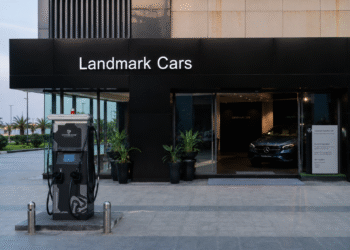
The government plans are in place to significantly increase the number of public charging stations throughout the city, with requirements for new buildings and public areas to incorporate charging facilities.
Additionally, fast-charging corridors will be developed along major routes, such as the Ring Road and Outer Ring Road to ensure convenient access to charging stations, thereby facilitating the use of electric vehicles across the capital.
Another key component of the Delhi EV Policy 2.0 is its focus on skill development and job creation, aiming to generate employment opportunities in sectors such as EV sales, servicing, and battery management.
The government is also prioritizing the electrification of commercial transport fleets, implementing stricter regulations to ensure adherence to policy objectives.