

NEW DELHI, January 22, 2026— For decades, Indian trucking profitability followed a blunt creed: maximise payload, squeeze fuel costs, repeat. Electric trucks, laden with heavy batteries and steep upfront prices, never squared with that logic, particularly in the punishing arena of heavy-duty hauls.
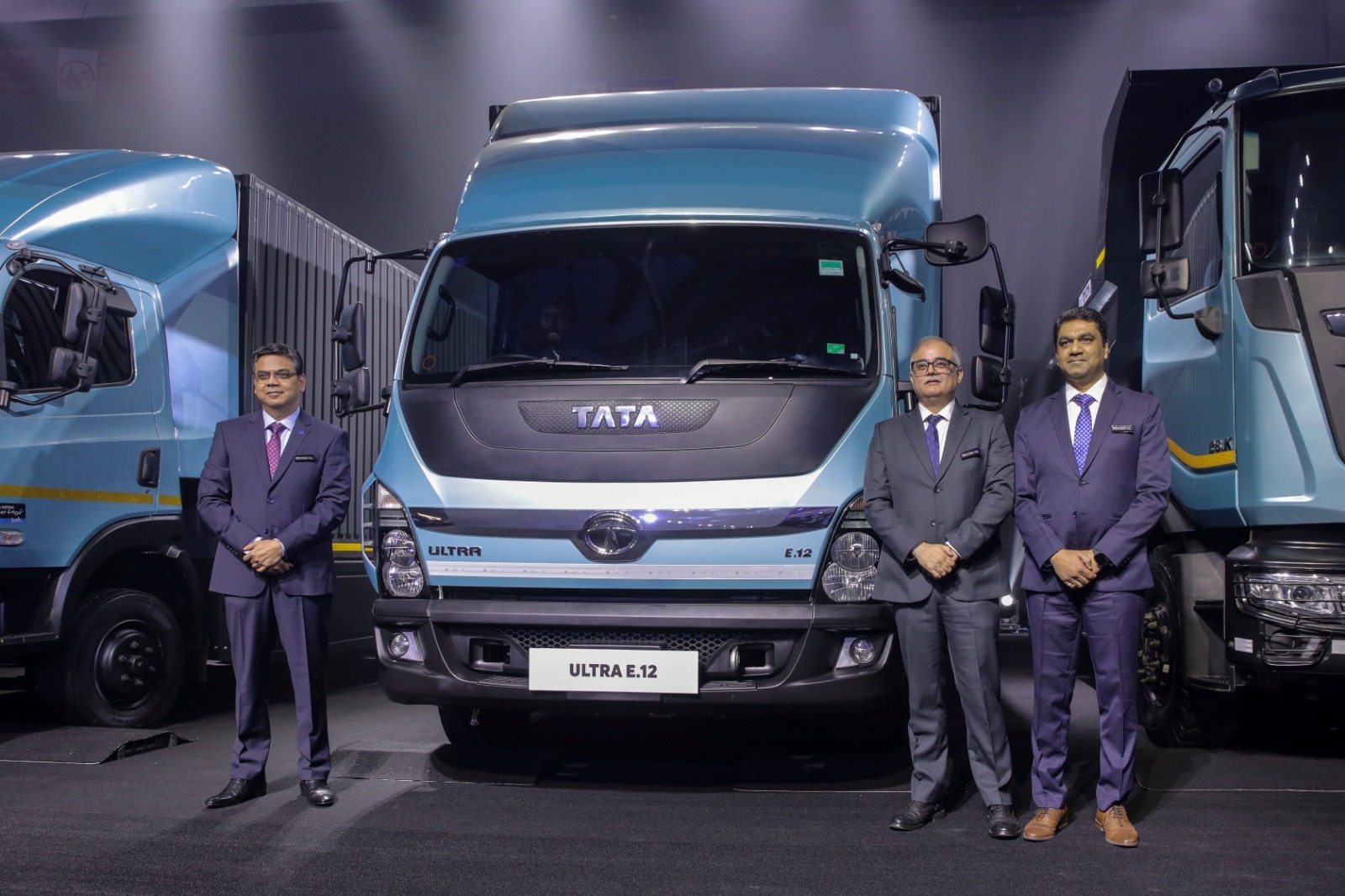
Tata Motors is rewriting the rules, drawing lessons from its Ace small truck ecosystem success that eased e-commerce electrification. On January 20, the company unveiled 17 next-generation trucks spanning 7 to 55 tonnes across diesel and electric powertrains, going beyond routine refresh to redefine returns through lifecycle economics—uptime, digital precision, and zero-fuel costs challenging old assumptions.
India’s electric trucking has clustered in lighter segments where predictable cycles soften payload trade-offs. Ashok Leyland’s Boss Electric range and Eicher’s Pro EV trucks target urban logistics and municipal work. Tata pushes up the weight curve with Tata Trucks EV which is the company’s boldest lineup on Intelligent Modular Electric Vehicle (I-MOEV) architecture.
“India’s trucking landscape is undergoing rapid transformation, driven by progressive national policies, modern infrastructure, and rising demand for safer, cleaner logistics,” Girish Wagh, Tata Motors’ managing director and CEO, said at the launch. With our new and widest zero-emission truck range and European-grade safety, “we are advancing this legacy.”
Heavy Duty’s Profit Pivot
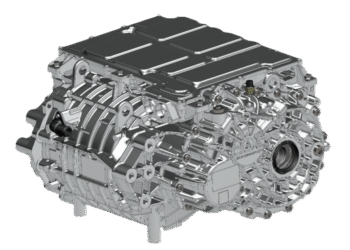
The Prima E.55S electric prime mover, deploying with Enviiro Wheels Mobility in Rajasthan for minerals and ore, tests heavy-duty viability. Its 470 kW power, 453 kWh battery and 350 km range deliver torque via integrated e-axles and three-speed Auto Shift transmission. Regenerative braking reduces wear; fewer parts minimise downtime—shifting the focus from payload per trip to annual tonne-kilometres.
Diesel platforms parallel this: Azura’s 3.6-litre engine and Cummins’ 6.7-litre upgrades across Prima, Signa, and Ultra boost payloads by up to 1.8 tonnes and increase efficiency by 7%. Fleet Edge Priority adds predictive maintenance, real-time diagnostics, and trip optimisation—monetising uptime.
Closed Loops, Real Stakes
Tata targets high-utilization niches, urban e-commerce, port shuttles, mining loops, and industrial corridors—where charging aligns with dwell times.
Enviiro’s Prima E.55S tackles erstwhile EV-hostile routes, blending ADAS (lane departure warning, driver monitoring, and collision mitigation) with pneumatically suspended cabins, reducing fatigue. Zero diesel and streamlined maintenance accelerate payback, backed by financing and Sampoorna Seva 2.0’s 3,200 touchpoints.
Software Equals Steel
Fleet Edge anchors the economics: analytics optimize battery health, driver behaviour, and routing—decisive for EV range. Indigenous I-MOEV architecture, battery systems, and components cut import risks. ECE R29-03 crash norms (frontal, rollover, side-impact) across the portfolio lower accidents, insurance, and downtime, converting safety to profit.
Industry’s New Math
Tata commands 56.7% of the heavy-duty market above 28-tonne GVW, outpacing Eicher, BharatBenz, and Ashok Leyland in EV breadth. While rivals validate lighter EVs, Tata tests heavy-duty scale in closed loops. GST 2.0 logistics surge and green freight pilots amplify stakes.
Payload no longer rules alone. Tata nudges operators toward lifetime kilometre returns, recasting Indian trucking success.