

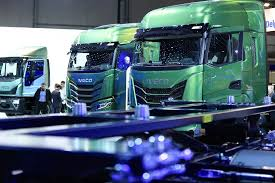
Mumbai/Turin, Italy – 30th July 2025. Tata Motors’ €3.8 billion ($4.1 billion) takeover of Europe’s Iveco Group is more than just another cross-border transaction; it positions Tata as a major player on the global stage. This acquisition, one of the largest in the commercial vehicle sector in recent years, transforms Tata from an India-focused company to a true international powerhouse, while also providing Iveco with a much-needed break from Europe’s stagnant truck market.
The Iveco acquisition is Tata’s largest since its 2008 purchase of Jaguar Land Rover, transforming the Indian automaker from a domestic workhorse to a true international heavyweight. Pending regulatory approvals, the transaction is expected to close in April 2026, allowing Tata to strengthen its commercial vehicle arm with advanced technology and expanded global market access, while also providing Iveco with a much-needed exit from Europe’s stagnant truck market.
A New Global Heavyweight.
With this transaction, Tata Motors joins the ranks of the world’s leading truck manufacturers. The combined company will sell over 540,000 vehicles annually, including trucks, vans, and buses, generating approximately €22 billion in revenue.
Nearly half of this revenue is expected to come from Europe, 35% from Tata’s home market of India, and the remaining portion from Latin America and other emerging markets. This balanced revenue stream positions Tata-Iveco alongside industry leaders such as Daimler Trucks, Volvo, and Traton, which is especially important as market survival requires scale and agility.
A Technology Leap
At the core of Tata’s strategy is technology. Iveco’s FPT Industrial division brings extensive experience in zero-emission powertrains, including hydrogen, electric, and hybrid systems, giving Tata an immediate competitive advantage in the global push for cleaner, next-generation commercial vehicles.
This is becoming increasingly important as emission regulations tighten and fleet operators look for more environmentally friendly alternatives. By pooling their research and development resources, the two companies can speed up the introduction of advanced trucks and buses while spreading development costs over a larger base.
Iveco’s New Direction
For Iveco, this deal signifies a transformative opportunity: an exit from Europe’s slow-growth landscape. Years of fierce competition and limited growth prospects have hindered its potential. With Tata’s financial backing and access to fast-growing markets in India, Southeast Asia, Africa, and Latin America, Iveco gains the growth engine it has long needed. The partnership opens pathways for product innovation and diversifies Iveco’s revenue sources beyond its mature home market.

Minimal Disruption, Maximum Continuity
Mergers and acquisitions frequently present significant integration challenges, but this one avoids many common pitfalls. Tata and Iveco’s manufacturing and distribution networks overlap minimally, reducing the risk of job cuts or plant closures. Tata has pledged to keep Iveco’s headquarters in Turin and preserve its brand identities.
Additionally, post-merger governance measures, such as independent Iveco directors on the combined board and two years of protected R&D budgets, reassure employees, customers, and regulators.
Unlocking Synergies
The merged entity is well-positioned for quick wins thanks to streamlined procurement, shared supply chains, and improved R&D capabilities. Customers will benefit from a wider product selection and better after-sales service. Iveco’s technology and European platforms can be integrated into Tata’s operations in emerging markets, and Tata’s vehicles can benefit from Iveco’s networks in Europe and the Americas. The cross-pollination of products and markets is expected to drive both growth and innovation.
The Big Picture
This acquisition represents a significant strategic shift rather than simply incremental growth. Tata gains the scale, geographic diversity, and technological prowess needed to compete with the world’s largest commercial vehicle manufacturers.
Meanwhile, Iveco can break free from the constraints of its European focus with new capital and access to new markets. Together, the new Tata-Iveco group is poised to lead the industry through one of its most significant transformations: the transition to sustainable, high-tech commercial transportation. In an era when climate priorities and digital technologies are reshaping mobility, this transaction could serve as a model for future industry consolidations, balancing tradition with innovation, scale with agility, and local strengths with global ambition. Tata and Iveco’s combined journey will benefit customers, employees, and investors alike, with the potential to reshape the future of the trucking industry.