


MUMBAI: 12th August 2025: Ratings agency, India Ratings, has predicted that India’s electric transition is about to shift gears from e-scooters and three-wheelers dominating adoption, the next wave of growth will come from passenger cars and buses.
According to the commentary shared by the agency’s auto analysts with EV Story Change for Progress Special Series have said that “new model launches expected in 2025–26, along with a state-led push for cleaner city transport, will help accelerate penetration in higher-ticket passenger vehicles and public buses—segments that have so far seen only cautious uptake.”
The agency highlights how adoption patterns have so far been led by electric two-wheelers (e-2Ws), especially scooters, which gained traction due to affordability, convenient home-charging, and a growing variety of models. Many have also found their way into e-commerce delivery fleets, underscoring the role of commercial demand in EV adoption.
Three-wheelers and light commercial vehicles (LCVs), particularly in last-mile logistics, have also benefited from short-distance usage patterns.
Meanwhile, bus electrification has been driven less by consumer choice and more by state government mandates to cut city pollution levels.
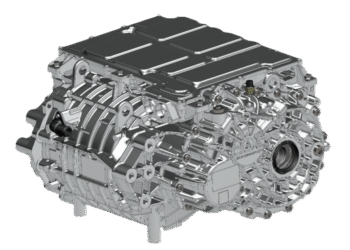
But India’s EV journey is not without roadblocks. “The sector still depends heavily on imports for critical components, from batteries and power electronics to rare earth minerals,” India Ratings observed. This dependence not only keeps costs high—battery prices in India remain nearly double those in China—but also exposes the industry to global supply-chain shocks. The recent slowdown in e-2W sales, linked to Chinese restrictions on rare earth exports, illustrates this vulnerability.

Government schemes, including the PLI for Advanced Chemistry Cell batteries and the PM E-Drive demand incentives, aim to reduce that dependence and improve cost competitiveness.
Large domestic players—from Tata Group and Reliance to Ola Electric and Amara Raja—have announced plans for nearly 150 GWh of battery capacity by 2030. Yet most of these investments are still at early stages.
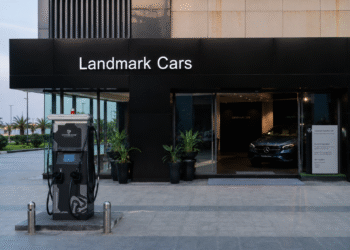
Charging infrastructure is another piece of the puzzle. India now has more than 29,000 public charging stations, a figure that has risen sharply in just three years. But the network remains thin compared to conventional fuel refueling points, and often lags behind EV adoption rates.
“India’s EV sector is on a strong growth trajectory,” India Ratings concluded. “Long-term sustainability, however, will depend on building a cost-effective domestic manufacturing ecosystem, reducing supply-chain dependencies, and expanding charging infrastructure.”
Whether the next auto boom will play out on busy city boulevards or in quietly humming bus depots, India’s transition is set to pick up speed, with sedans and public transport set to headline the next act, the agency has concluded in its analysis