



MUMBAI: 1st September 2025:India’s road sector reported an 11% year-on-year revenue decline in the first quarter of FY26, marking the fifth consecutive quarter of contraction, according to India Ratings & Research. The pace of national highway construction slowed to 29 kilometres per day in the last fiscal year, significantly below the peak levels observed in the post-pandemic period, as noted by Road Transport and Highways Minister Nitin Gadkari in Parliament.
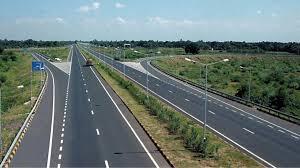
This slowdown reflects a challenging operating environment characterised by minimal central ordering, election-related delays, and unpredictable weather patterns. Several contractors faced suspensions due to accidents caused by unseasonal rains in Kerala, while supply chain disruptions further hindered construction efforts.
In light of these challenges, the ministry has revised its construction target for FY26 to 10,000 kilometres, the lowest since FY18. Gadkari indicated that the government will instead focus on 26 greenfield expressways and corridors totalling 7,500 kilometres, with an additional 600 kilometres already approved, aiming to enhance logistics efficiency.
Contractors Under Pressure
The engineering, procurement, and construction (EPC) sector, excluding Larsen & Toubro, experienced only 5% revenue growth in 1QFY26, continuing a trend of muted performance. Persistent unseasonable rains, labour disruptions, and global trade uncertainties have hindered execution. Krishan Binani, director at India Ratings & Research, stated, “Expectations for a strong start to FY26 have not materialised, even considering a low-base effect. Guidance has been lowered, with hopes for recovery now relying on a rebound in the second half of the year and increased order flows from the Ministry of Road Transport and Highways and NHAI.”
Leading companies such as Dilip Buildcon, HG Infra, PNC Infratech, KNR Constructions, Welspun Enterprises, and PSP Projects have revised their growth projections downward. In contrast, Kalpataru Projects International and Patel Engineering have provided slightly improved forecasts.
Power and Urban Infrastructure Outperform
While the roads sector is struggling, the transmission and distribution (T&D) and power EPC businesses reported a 29% increase in first-quarter revenue, with margins expanding by 90 basis points. Metro and heavy civil works also experienced growth; however, building projects were adversely affected by heavy rains and labour shortages in May. The Jal Jeevan Mission water projects continued to lag, with minimal progress on working capital release.
Order books for 22 listed EPC companies increased by 9% to ₹4.4 trillion, covering 2.7 times their annual revenue, up from 2.5 times the previous year. Activity was strongest in the T&D, factory, and metro segments. Leading player L&T reported a 33% rise in first-quarter order inflows, driven by a robust ₹14.8 trillion pipeline, heavily focused on Middle Eastern hydrocarbon deals, and reaffirmed a 10% growth forecast for FY26.
However, overall project awards declined by 37% year-on-year in 1QFY26 to ₹1.24 trillion—well below the quarterly rate of ₹1.5–2 trillion recorded over the last two years—impacted by land acquisition and rebidding delays in Maharashtra.
Margins Stuck at Lows
Sector margins remained compressed at 10.6% in 1QFY26, down 30 basis points from the previous year and nearly 300 basis points below pre-pandemic levels.

Although slightly higher than in recent quarters, forecasts suggest only a 20-basis-point increase for the full year. Margin growth was largely seen among power and urban infrastructure specialists like Techno Electric, KEC International, and Afcons, while road-focused players such as IRB Infra, KNR Constructions, and PSP Projects recorded declines. L&T’s core EPC business reported flat margins of 7.6% for the quarter, with management projecting margins of 8.3–8.5% for the year.
India Ratings anticipates mid-to-high single-digit revenue growth and stable margins for EPCs in FY26, supported by government spending. A new ₹3.5 trillion highway pipeline could potentially revive order flows later in the year, though execution risks remain high. Binani concluded, “Margins are unlikely to return to FY23 or pre-pandemic levels anytime soon. The winners in this challenging period will be those who prioritise execution discipline, order quality, and diversification into power and urban infrastructure.”