

MUMBAI: 19th August 2025 Although India has made significant progress, with over 25,000 public chargers installed nationwide, this achievement is overshadowed by a troubling reality: more than half of these chargers, or approximately 12,000, are inoperable. For EV drivers, this unreliability is not just an inconvenience; it creates a trust deficit that could delay India’s transition to clean mobility, says Tata.ev’s recently unveiled India Charging report
Despite this, highway coverage for charging stations has reached 91%, and several states, including Karnataka, Kerala, Delhi, Haryana, Punjab, Goa, and Bihar, offer complete access to fast chargers within a 50-kilometre radius. Currently, EVs cover 65% of Indian postal codes, indicating a significant market penetration.
Tata Motors: Leading the Charge for EV Owners
Tata Motors, India’s leading passenger EV seller, provides insights into the changing habits of EV drivers. Tata EV owners drive an average of 1,600 kilometres per month, which is 40% more than conventional petrol and diesel car owners, who drive approximately 1,100 kilometres per month. Furthermore, EV owners drive their vehicles almost every day, averaging 27 days per month versus 20 days for ICE owners.
A remarkable 84% of Tata EV drivers now consider their electric vehicle to be their primary car, up from 74% just two years ago. Notably, half have taken long-distance trips of 500 kilometres or more on highways such as Hyderabad-Bengaluru and Mumbai-Goa, demonstrating growing confidence in EV road travel despite infrastructure constraints.
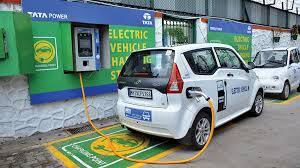
Confidence in public charging is also growing; 77% of Tata drivers have used public chargers on road trips, and approximately 14,000 owners rely heavily on public charging networks. Tata’s “.ev verified” initiative, which guarantees 90% uptime and collects user feedback, has grown in popularity, increasing charger usage by 37% among its customers.
The Reliability Rift: Half the Chargers Don’t Work
However, the report identifies stark contradictions in India’s EV charging ecosystem. While infrastructure grows, nearly half of the chargers remain inoperable, causing disruptions and fuelling frustration among EV drivers. A single broken charger on a highway can cause hours of delays and even leave drivers stranded.
The challenges do not end with malfunctioning hardware. Indian EV drivers frequently use 17 to 20 different apps to find, pay for, and use chargers, with each requiring their logins, QR codes, and wallet top-ups. This complicated process may exclude elderly people and those who rely on chauffeurs. After having to use three different apps to charge on the Delhi-Jaipur highway, one user commented, “If petrol pumps worked like this, the system would collapse.” The report cautions that the fragmented payment and discovery experience is as significant a barrier as range anxiety itself.
Profit Pockets and Stranded Assets
The economic landscape behind the charging network is mixed. The busiest 25% of charging stations—typically found in high-traffic malls, highway stops, and urban centres—are already profitable. This success largely stems from Tata.ev’s Open Collaboration Framework, launched in 2023, which utilised data from 1.4 billion kilometres of driving to identify demand hotspots and deploy 18,000 new charging stations within just 15 months.
However, many chargers remain underutilised, resulting in what are termed “stranded assets”. An industry analyst commented, “Profitability is proven, but only in select pockets. In other areas, the economics are shaky.”
An Emerging EV Divide
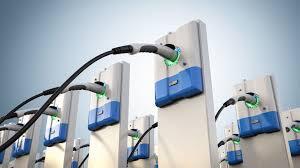
India’s electrification journey has created a noticeable divide. Fast-charging infrastructure is widely available on highways in Karnataka, Kerala, Delhi, Haryana, Punjab, Goa, and Bihar. Smaller regions such as Tripura and Puducherry have also swiftly filled gaps in infrastructure. However, much of central and eastern India remains underserved, with highway chargers spaced nearly 100 kilometres apart. The growing “EV divide” could limit charging and EV adoption to specific regions.
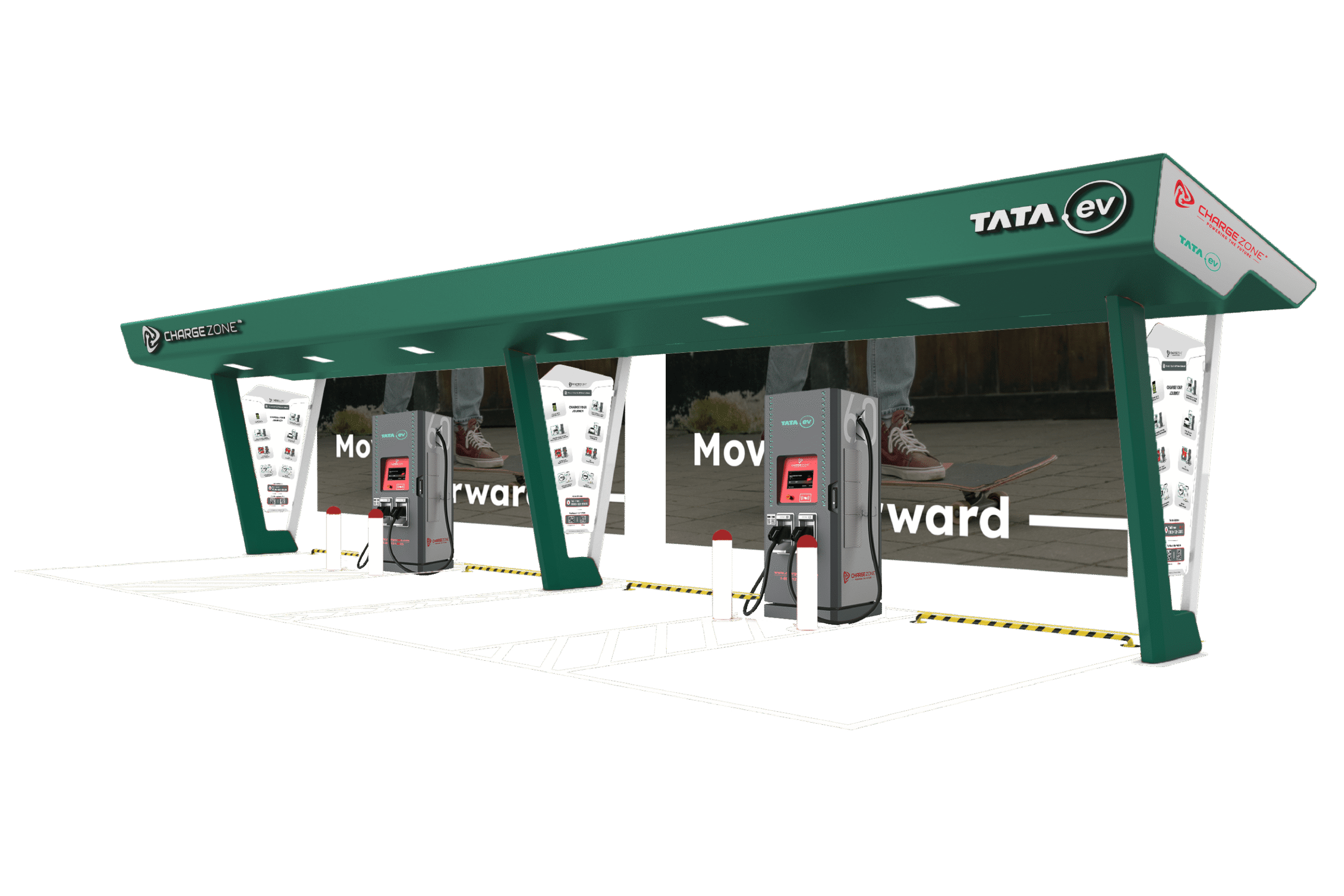
As the country rushes to build Mega Chargers, the speed vs. reliability debate heats up. Tata.ev is betting on its Mega Charger network, which provides 120 kW speeds, 95% uptime, and preferential tariffs.
With 30 stations operational and plans for 500 by 2027, the goal is to replicate Tesla’s Supercharger success in the United States, enabling long-distance electric travel.
However, experts advise caution, stating that speed without dependability is a hollow promise. High-speed chargers necessitate costly grid upgrades, and many existing chargers cannot be relied on. “What India needs are functional chargers, not just shiny new ones,” said a Mumbai-based EV expert.
Trust Will Drive Adoption*
The report emphasises that India’s EV future is dependent on building trust through reliability and simplicity, rather than sheer scale. Tata. ev’s “.ev verified” program aims to ensure that charging infrastructure meets these critical reliability standards, thereby increasing consumer confidence and accelerating EV adoption.
The country has proven skeptics wrong about the scale and ambition of EV adoption. However, without immediate attention to reliability, interoperability, and consumer trust, India’s EV revolution risks stalling just as it should accelerate, with its future precariously balanced on a shaky plug.
Booming Yet Broken: The Road Ahead
India’s EV charging infrastructure embodies both opportunity and risk. The swelling numbers and maturing business case contrast sharply with widespread charger breakdowns, fragmented user experiences, and a geographic patchwork of progress. The Tata.ev report concludes bluntly: “The first phase focused on quantity. The next step must be focused on quality.